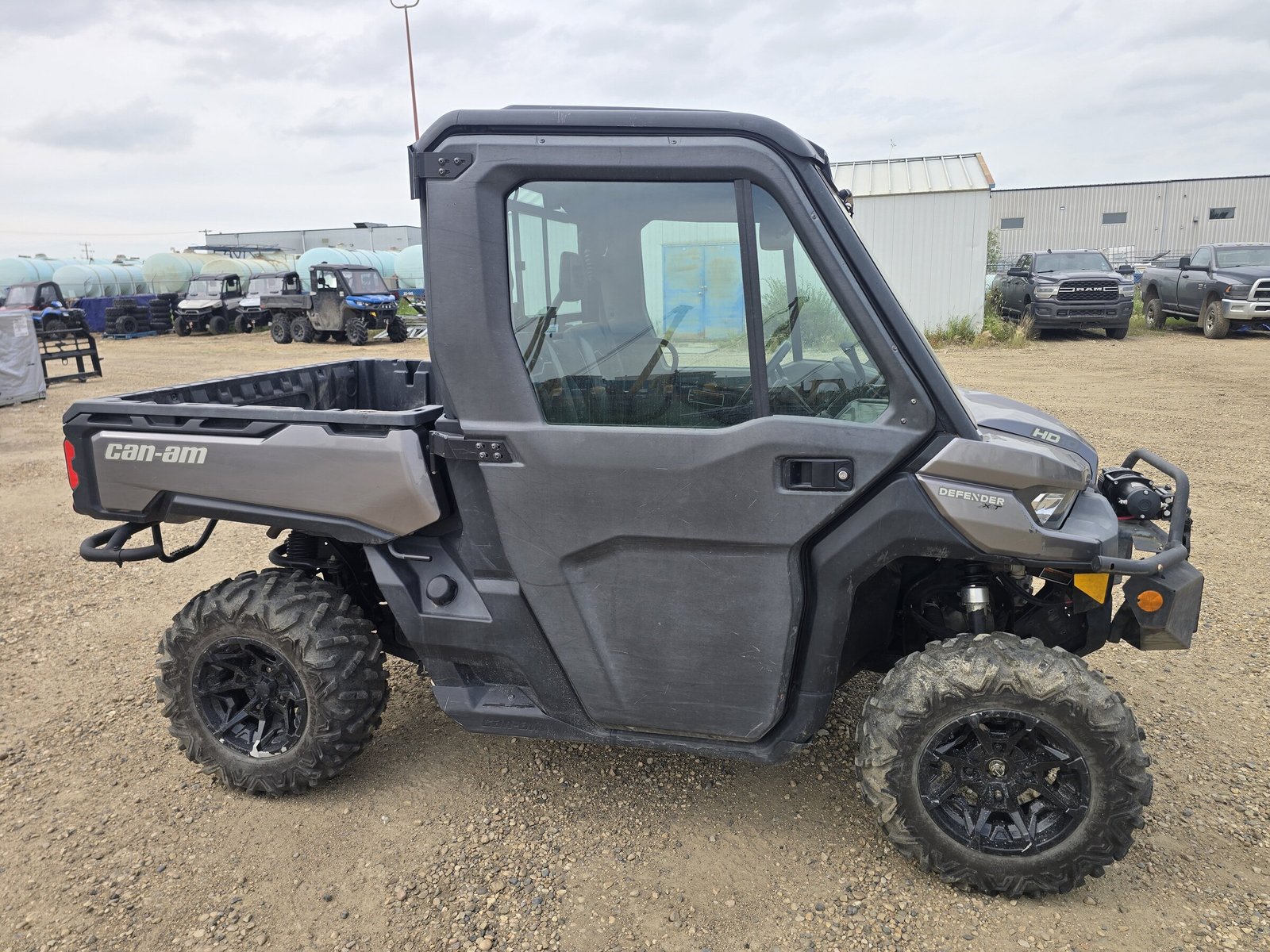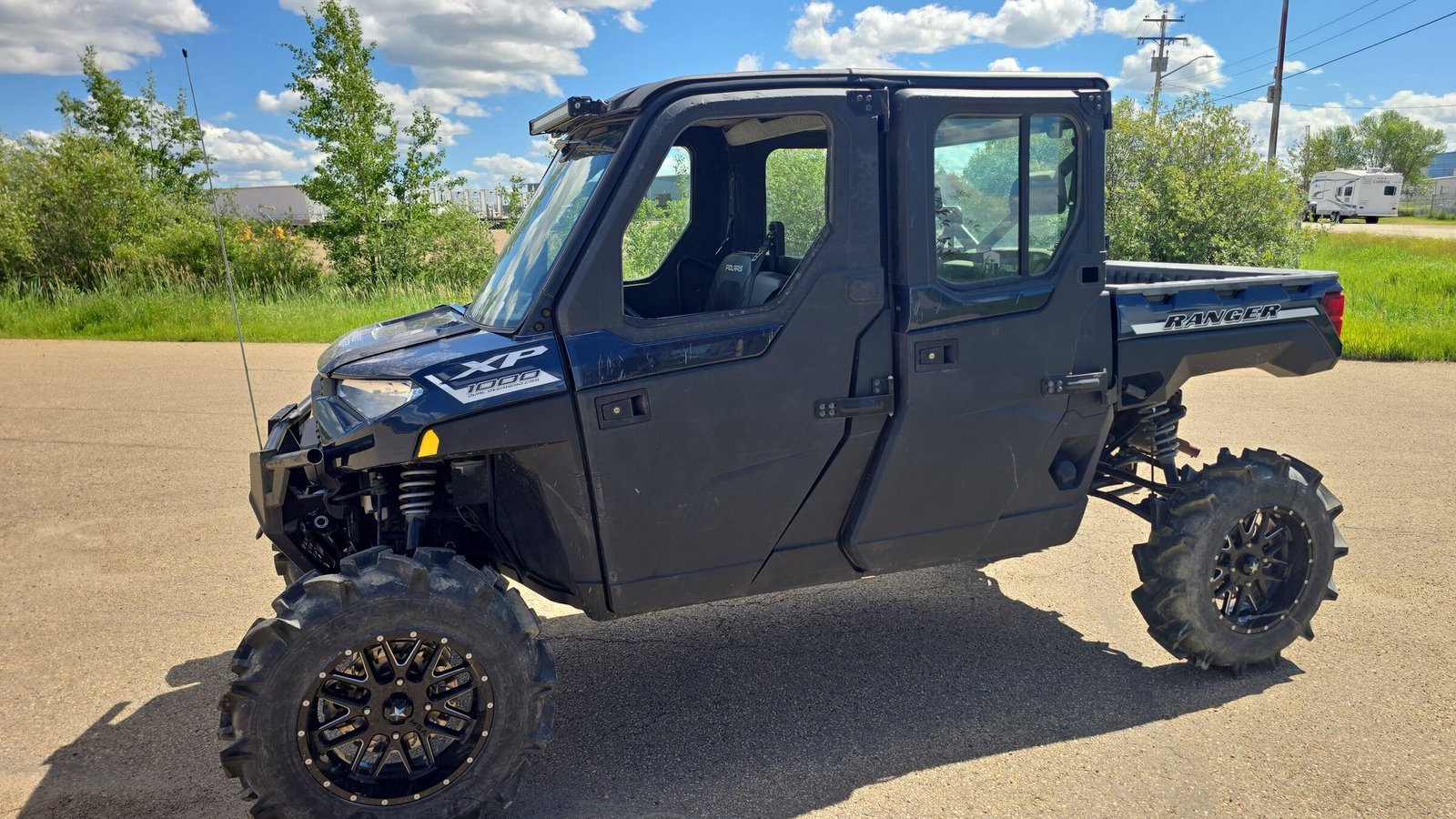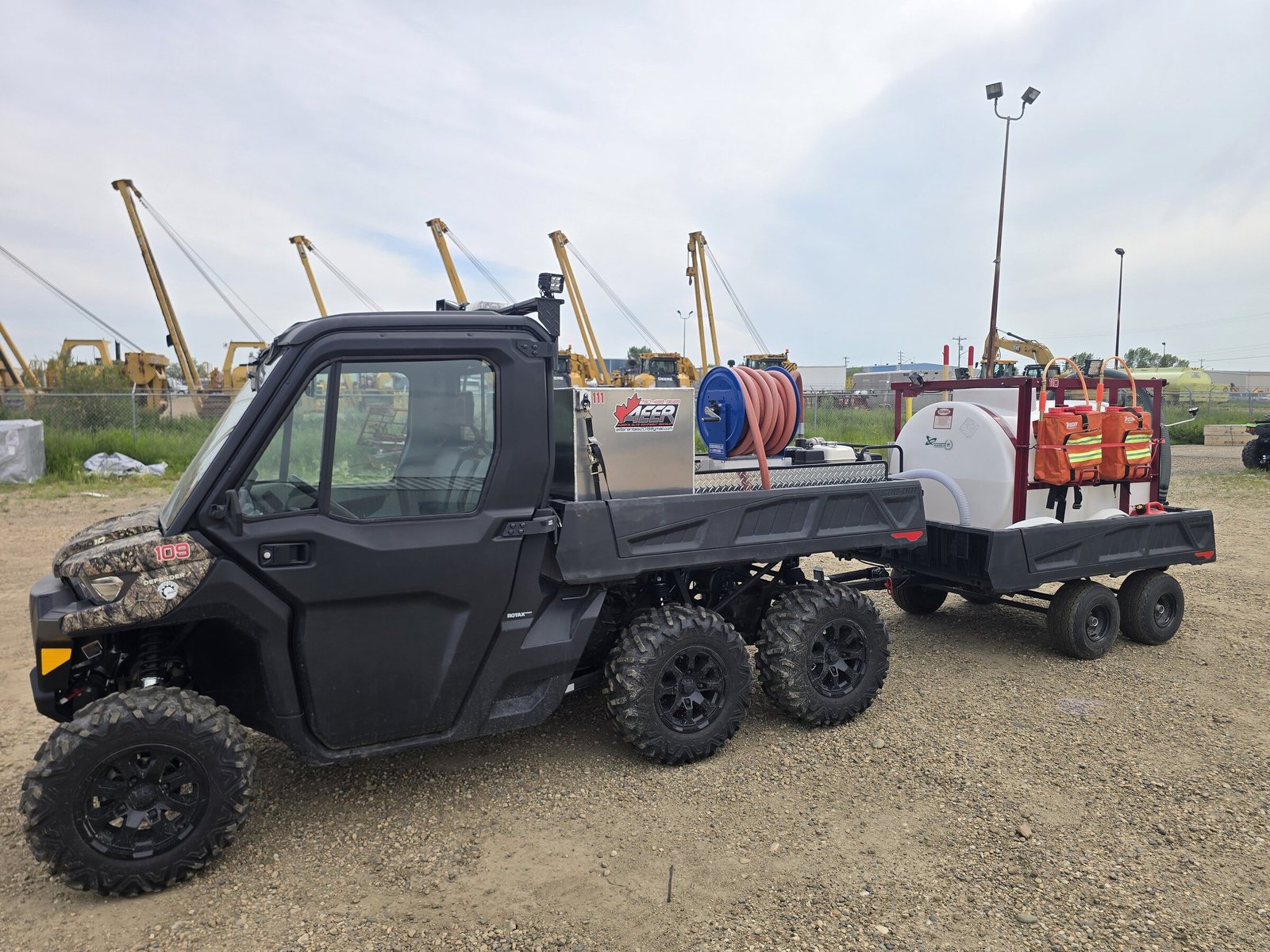
A used quad or side-by-side is the smartest money in powersports. Let someone else eat the first few years of depreciation, and you can ride a machine that cost $18,000 new for half that. The catch is that off-road vehicles live hard lives. Mud, water, cold starts and skipped oil changes leave marks, and a seller who spent a Saturday pressure washing can hide a lot of them.
This is the walkthrough we would use ourselves. Work through it in order, take your time, and be willing to leave. There is always another machine.
Before You Drive Out to See It
Half the work happens before you leave the house.
Learn the price range first. Pull up a dozen listings of the same model, year and condition. Off-road vehicles do not follow car pricing logic, and a machine that seems cheap is often cheap for a reason. Browsing used off-road vehicles across Canada for a few evenings will teach you the going rate faster than any pricing guide.
Ask questions by message. Before you burn a tank of fuel, ask the seller:
- How long have you owned it, and did you buy it new?
- What is the hour meter and odometer reading?
- Has it ever been in deep water or gone through a rollover?
- When was the last oil change, and do you have service records?
- Do you have the ownership document in your name?
- Why are you selling?
Vague answers are information. A rider who genuinely maintains a machine loves talking about it.
Ask for the VIN. Every ATV and side-by-side carries a 17 character VIN, usually stamped on the frame near the left front wheel well or under the footwell. Get it in advance and run a theft and history check. It costs very little and it is the one thing a physical inspection cannot tell you.
Start With the Paperwork, Not the Machine
This is the step most buyers skip, and it is the one that can cost you the entire purchase price.
Match the VIN on the frame to the VIN on the document. Physically. With your own eyes. Look closely at the stamping itself: uneven spacing, grinding marks, a plate that looks newer than the frame around it, or a VIN that has been painted over are all reasons to walk away immediately.
Confirm the seller's name matches the ownership. If the person selling it is not the registered owner, you need a very good explanation and a paper trail. "Selling it for a buddy" is how stolen machines move.
Check for a lien. If the previous owner financed the machine and still owes money, that debt follows the vehicle, not the seller. A lien search through your provincial registry is cheap insurance.
Understand your province's rules. Off-road vehicle registration is not consistent across Canada, and this trips up a lot of first-time buyers:
- British Columbia requires ORV registration for Crown land use, with a one-time fee and an ICBC issued plate or sticker. Riding unregistered carries a fine.
- Ontario requires registration and a permit, and club-maintained trail networks require an annual trail pass on top of that.
- Alberta combines registration and ownership on one document, and off-highway vehicles are exempt from the out-of-province inspection that cars require.
- Quebec registers through the SAAQ, and transferring without proper documentation from the previous owner can turn into a long process.
Fees and rules change, so confirm current requirements with your provincial registry before you hand over money. If you are buying from another province, sort out the transfer process before the sale, not after.
Insist on a Cold Start
Tell the seller you want to see it started cold, and ask them not to run it before you arrive. If you show up and the engine is already warm, that is a red flag on its own. A warmed-up engine hides hard starting, smoke on startup, rattles and low compression.
When it fires, watch and listen:
- Blue smoke means it is burning oil.
- White smoke that does not clear can mean coolant in the cylinder.
- Knocking or ticking that does not settle after a minute is a walk-away.
- Excessive cranking before it catches suggests fuel, battery or compression problems.
The Walkaround
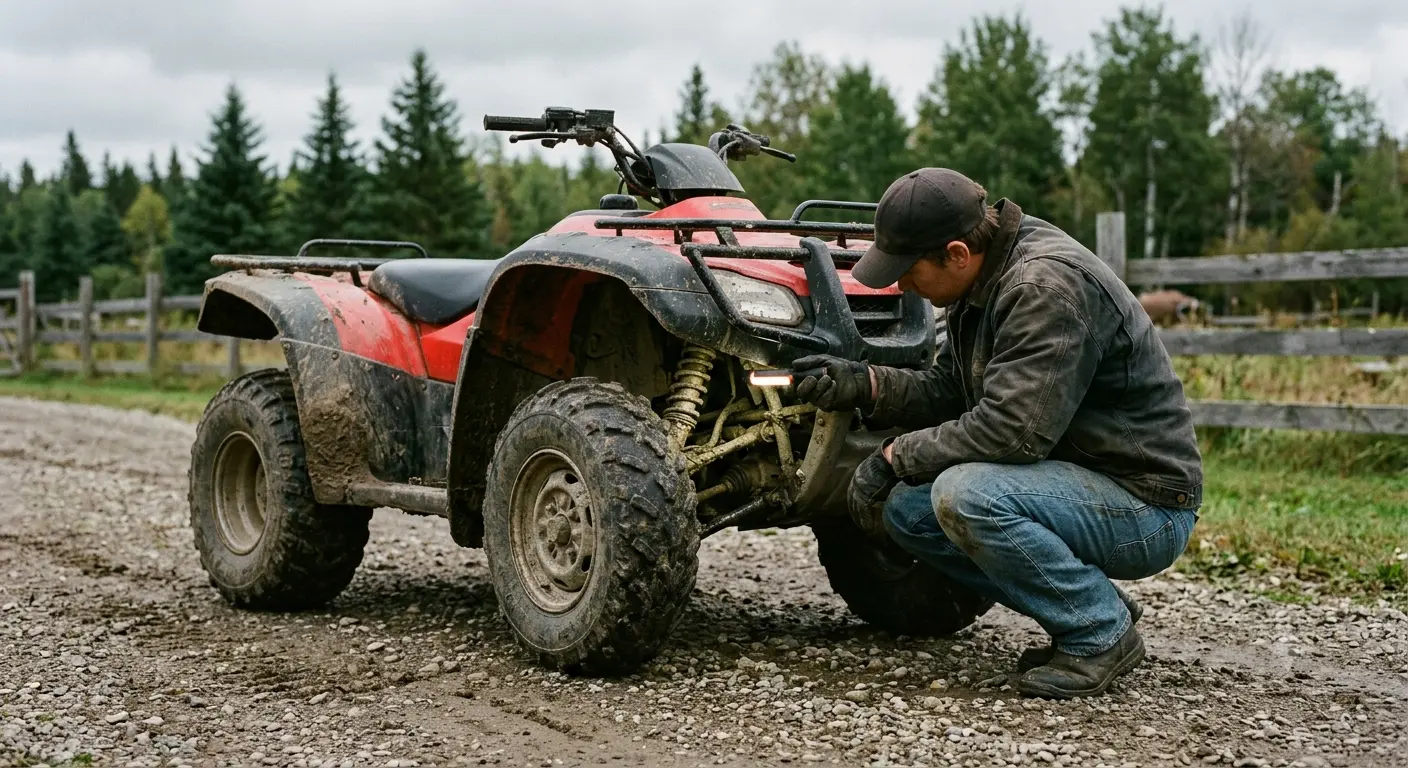
Frame and skid plates. Get low and look underneath with a flashlight. Bent skid plates and scraped frame rails are normal. Cracks, fresh welds or a frame that looks tweaked are not.
Plastics. Cracks and scuffs are cosmetic and are fine. What you are looking for is panels that do not match, mismatched fasteners, or new plastic on an old machine. That often means a rollover or a hard hit.
The seat test. This one is underused. Pull the seat off and pick it up. If it feels heavy and waterlogged, the machine has been submerged, ridden hard through deep water, or left outside in the weather. On a side-by-side, press down on the seats and listen for water sloshing. A soaked seat tells you to look much harder at the airbox, electrical connectors and wheel bearings.
Roll cage, on side-by-sides. Check where the cage bolts to the chassis. Broken or missing bolts, elongated mounting holes, or a cage that is visibly out of square all point to a rollover.
Drivetrain and CV Boots
If you only check one mechanical item, make it the CV boots.
Look at the rubber accordion boots on each axle, inside and out. Separate the pleats and look for small cracks and tears. Look for grease flung onto the surrounding suspension or frame, which means a boot has already split. Once grit gets into a CV joint, the joint is on borrowed time.
Torn boots are a cheap repair on their own, but they are one of the best condition indicators on the whole machine. A seller who let the boots go has almost certainly let other things go too.
Also grab each wheel at twelve and six o'clock and rock it. Any knocking or play points at wheel bearings, ball joints or tie rod ends.
Suspension, Tires and Brakes
Shocks. Look for oil weeping down the shock body and check the seals. Push down hard on each corner. The suspension should compress smoothly and settle without bouncing repeatedly.
Tires. Check that all four match in brand, model and size. Mismatched tires on an all-wheel-drive machine cause drivetrain wear. Look for sidewall cracking and dry rot, and find the four digit date code on the sidewall: the first two digits are the week, the last two are the year. Ten year old tires with good tread are still old tires.
Brakes. Look through the calipers at pad thickness, check for fluid weeping at the lines and master cylinder, and confirm the levers feel firm rather than spongy. A dark brown fluid reservoir means the fluid has never been changed.
Engine, Fluids and Electrical
Pull the dipstick. Oil should be brown or black, not milky. Milky, coffee-coloured oil means water has gotten into the engine, and on a machine that has seen deep water crossings that is a very real possibility. Walk away.
Check for leaks. Wipe a clean rag around the valve cover and head gasket area and see what comes off. Look at the underside of the engine and at the ground where it has been parked.
Air filter. Pop the airbox. A filthy, oil-soaked or waterlogged filter tells you exactly how this machine has been treated. So does a clean filter in a filthy airbox, which usually means someone tidied up for the sale.
Coolant. Should be clean and at the right level in the overflow. Rusty or oily coolant is a problem.
Electrical. Test every light, switch, the winch, the fan, the four-wheel-drive selector and the diff lock. Look at the wiring for frayed, melted or taped-up sections, and check the battery terminals for corrosion. Bodged wiring is a preview of the ownership experience.
The Test Ride
Never buy without riding it. If the seller will not allow a test ride, that is your answer.
Ride it long enough for the engine to reach full operating temperature, then check the temperature gauge and look for a fan that never kicks on. While you ride:
- Run through every gear, including reverse. Listen for grinding and watch for it popping out of gear.
- Engage and disengage four-wheel drive and the differential lock while moving slowly.
- Brake hard from speed and feel for pulling, grinding or fade.
- Turn full lock both ways and listen for clicking, which points to worn CV joints.
- Find rough ground and feel whether the suspension controls the machine or crashes through.
Reasons to Walk Away
Some problems are negotiating points. These are not:
- VIN that does not match the paperwork, or looks tampered with
- Seller who is not the registered owner and cannot explain why
- Milky oil or coolant
- Cracked frame or fresh unexplained welds
- An outstanding lien
- Refusal to allow a cold start or a test ride
- Pressure to decide immediately, or a deal that is far below market with a story attached
Get a Second Opinion If You Are Not Sure
If the machine is expensive, if you are buying long distance, or if you simply do not trust your own read on it, get someone else to look. A pre-purchase inspection costs a fraction of a top end rebuild, and an inspector who finds nothing has still bought you certainty.
We can help with that. MudWheelz offers pre-purchase inspections across Canada, and there is a free printable checklist on that page if you would rather do it yourself.
Paying Safely
Meet at the seller's home, not a parking lot. Seeing where a machine is stored and how it is kept tells you a lot. Avoid carrying large amounts of cash, and get a bill of sale signed by both parties listing the date, price, VIN, and the names and addresses of buyer and seller. Most provincial registries require it for the transfer anyway.
Then, before you ride: register it in your name, get insurance in place, and buy the trail pass or permit your province requires.
Ready to Start Looking
Take the checklist with you, trust the paperwork over the paint, and remember that walking away from a bad machine is the cheapest decision you will ever make.
When you are ready, browse used ATVs, side-by-sides and dirt bikes for sale across Canada. If you find the right one and want to spread the cost, you can apply for financing in a few minutes, and get an insurance quote before you pick it up.
Then go find some dirt. Our Canadian trail finder will tell you where you can legally ride it.