The Quick Answer
If you are choosing between a utility side by side and a sport side by side in Canada right now, utility is the safer buy for most people. Utility UTVs now make up roughly seventy percent of side by side revenue at the largest manufacturer in North America, work, tow, plow, and carry passengers, and hold their value better on the used market. Sport UTVs still make sense if trail speed and suspension travel are the actual point of ownership. The rest of this guide breaks down real used pricing in Canadian dollars, a full comparison table, and what to check before you buy.
Key stat: According to Polaris's own first quarter 2026 results, utility vehicles now account for about 70 percent of the company's off-road revenue, while recreational sales were described by its CEO as "challenged." That is the clearest signal yet that the Canadian side by side market has shifted.What Changed in the Canadian UTV Market
For most of the last decade, the loudest side by sides won. Horsepower numbers, long travel suspension, and turbocharged engines dominated the marketing, and buyers followed. That is not what is selling in 2026.
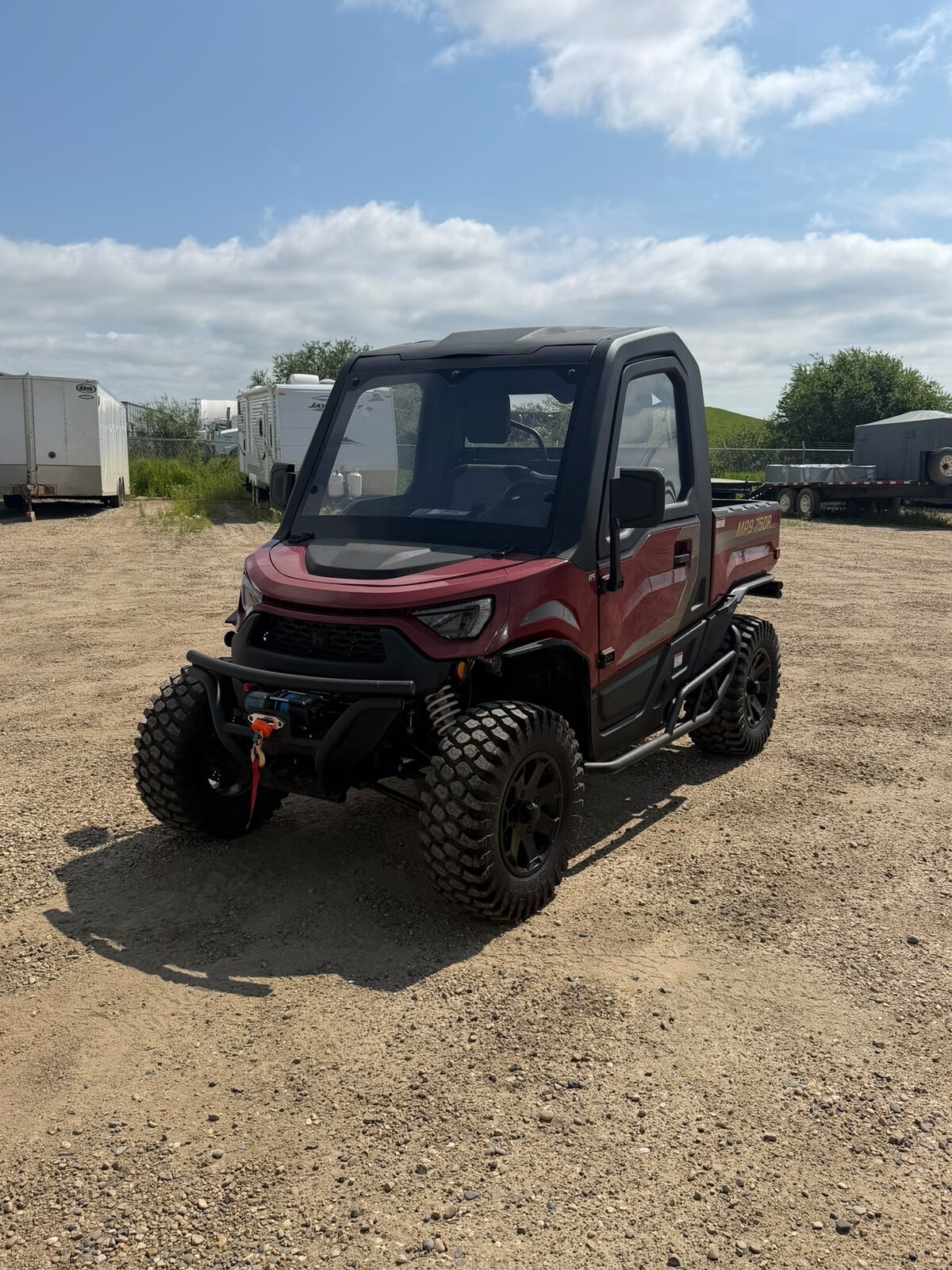
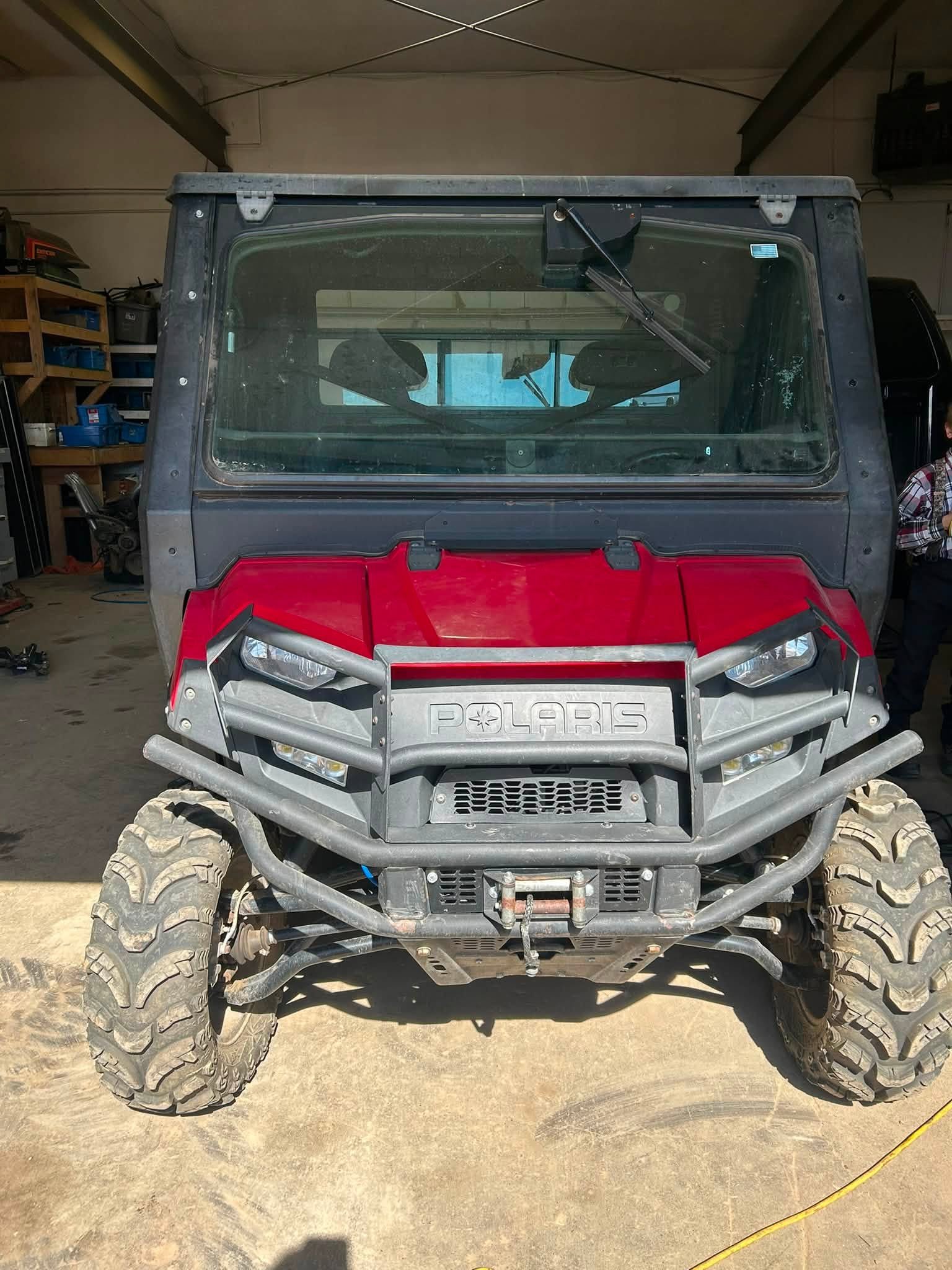
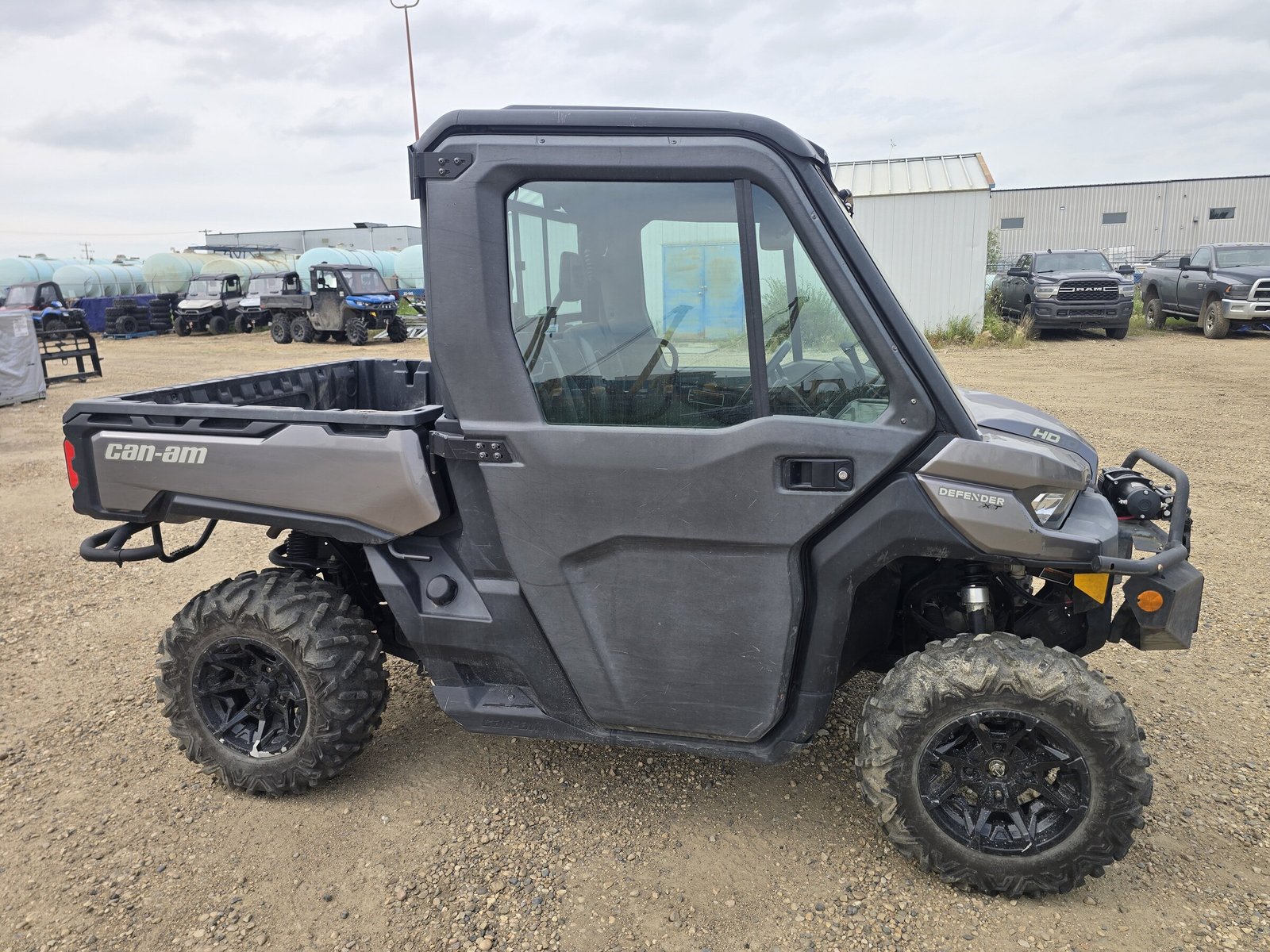
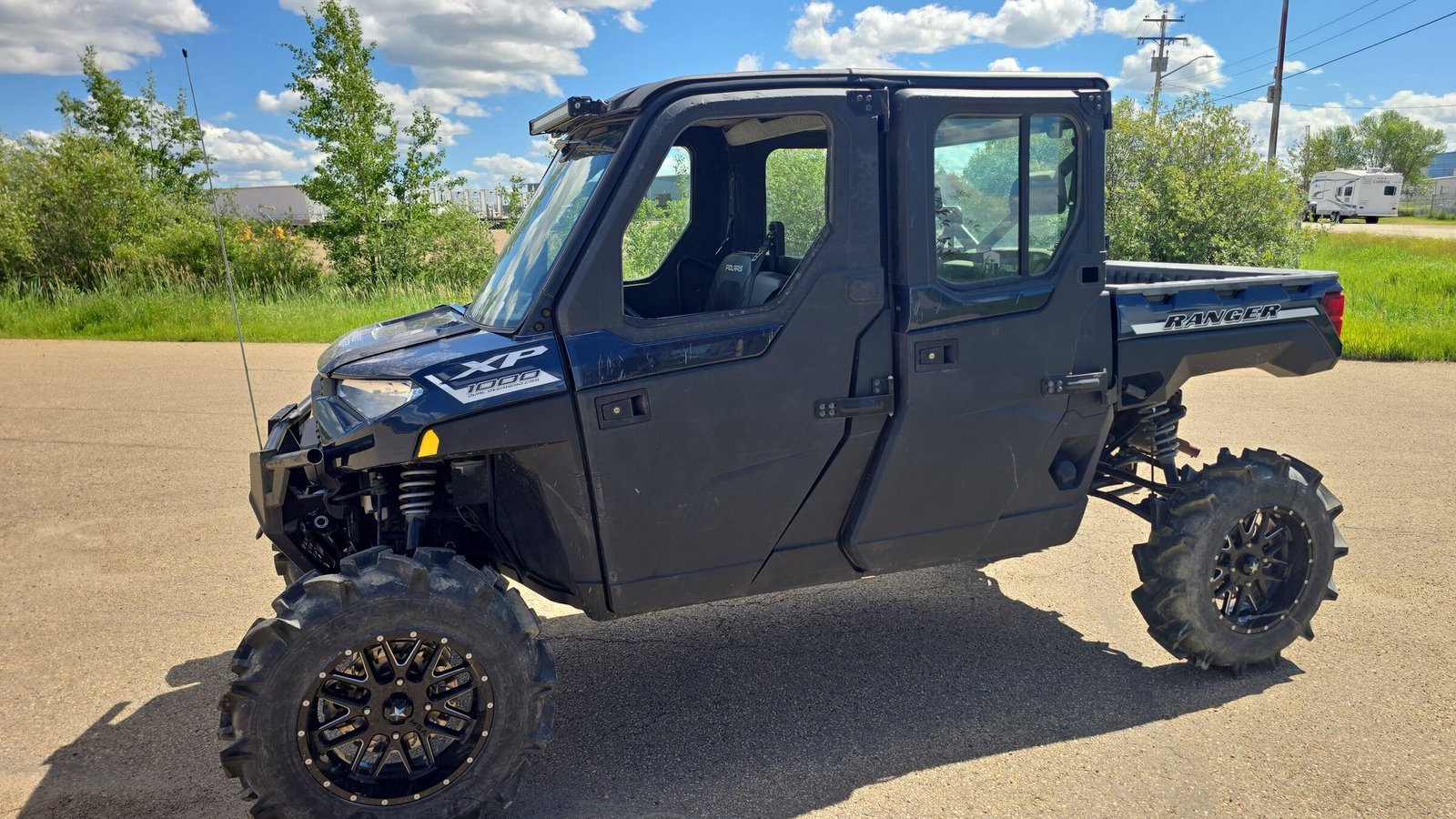
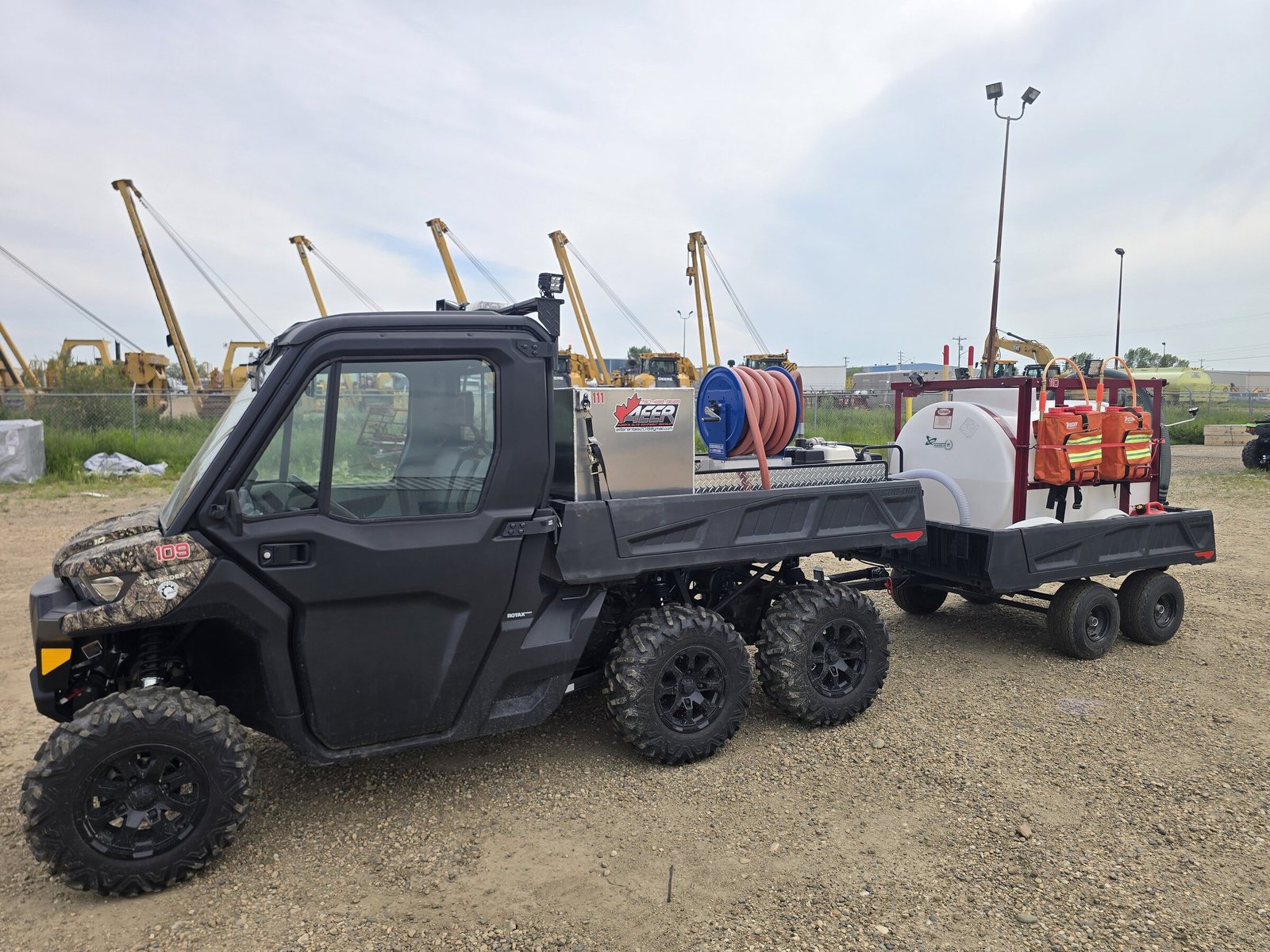
Utility and rec-utility machines, the Ranger, the Defender, the Wolverine RMAX, the Pioneer, the MULE, are quietly becoming the smartest purchase in the Canadian off-road market. The reason is simple: a machine that gets used five days a week for farm work, property maintenance, hunting, or plowing earns its keep in a way a pure sport machine parked most weekdays cannot.
This matters directly for anyone shopping used. A used market follows the new market with a lag. As utility demand climbs, used utility machines are holding value better and moving faster, while sport UTVs sit longer and negotiate lower, particularly outside peak riding season.
Utility vs Sport UTV: Full Comparison
| Factor | Utility / Rec-Utility UTV | Sport / Performance UTV |
|---|---|---|
| Example models | Polaris Ranger, Can-Am Defender, Honda Pioneer, Kawasaki MULE, Yamaha Wolverine RMAX | Can-Am Maverick X3, Polaris RZR, Yamaha YXZ1000R, Kawasaki Teryx |
| Suspension travel | Moderate, tuned for load and comfort | Long travel, tuned for speed over rough terrain |
| Cargo bed | Standard, often 450 to 1,000 kg capacity | Minimal or none on most trims |
| Towing capacity | Typically 680 to 2,300 kg | Rarely a spec that matters |
| Top speed priority | Low. Torque and low-end control matter more | High. Horsepower and top speed are the selling point |
| Typical Canadian buyer | Farms, acreages, hunters, plowing, trail riding with cargo | Dedicated trail riders, racers, dune riders |
| Used resale strength | Strong and improving through 2026 | Softer, more seasonal and negotiable |
| Winter usefulness | High, with plow and cab heat options | Low, most are fair-weather machines |
What Used UTVs Actually Cost in Canada Right Now
Prices below are realistic used market ranges in CAD, based on current Canadian classifieds and dealer listings. Actual price depends heavily on hours, condition, and accessories, so treat this as a starting point for negotiation, not a fixed number.
| Segment | Used price range (CAD) | What you are paying for |
|---|---|---|
| Entry utility ATV | $4,000 to $7,500 | Small displacement quad, older model, higher hours |
| Entry utility UTV / 2-seat | $8,000 to $14,000 | Small utility side by side, moderate hours, basic trim |
| Mid-size utility (Ranger, Defender class) | $14,000 to $22,000 | Newer model year, lower hours, popular trims |
| Full-size sport (RZR, Maverick X3 class) | $16,000 to $28,000 | Turbo or non-turbo trims, aftermarket parts common |
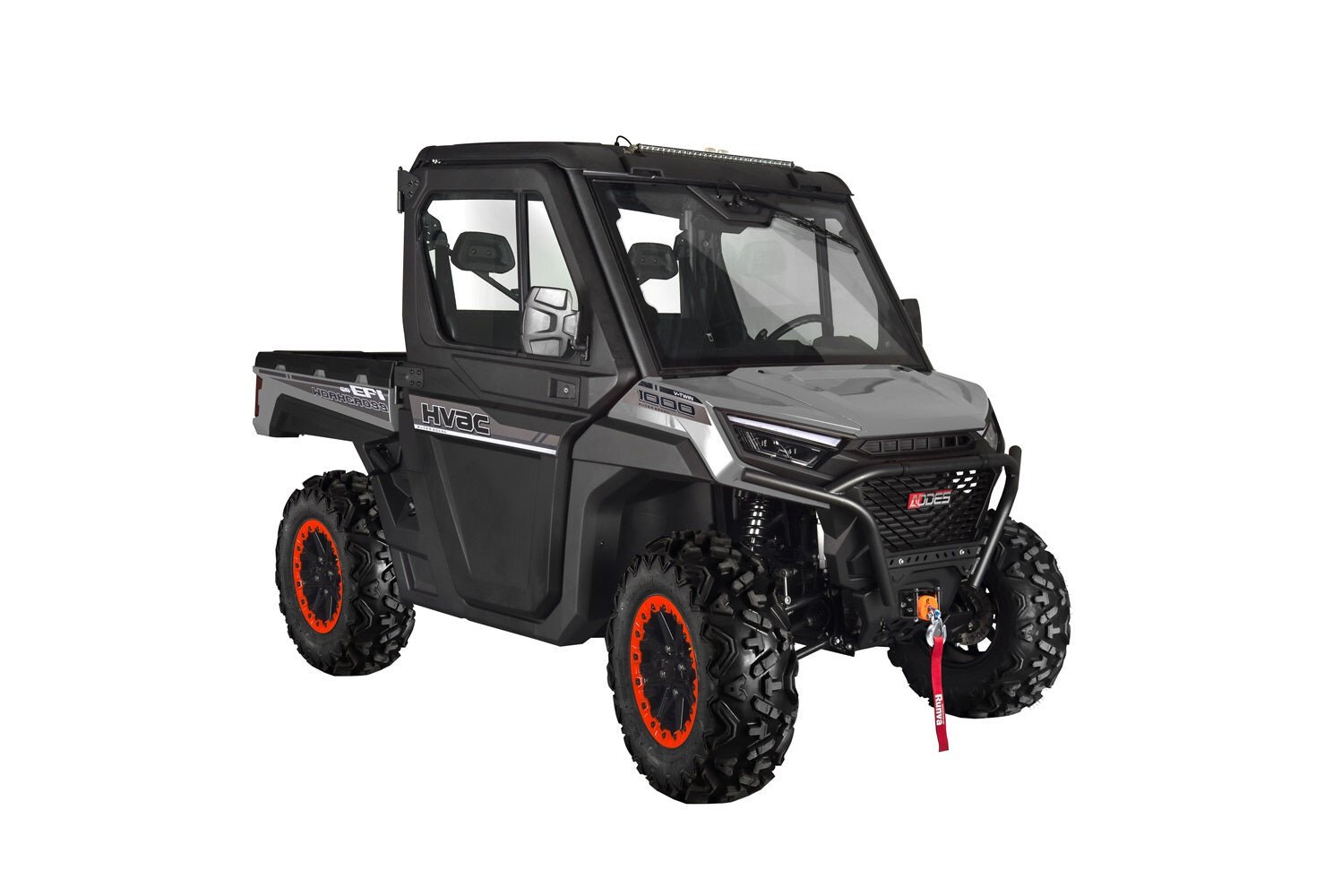
| Enclosed adventure UTV (XPEDITION class) | $22,000 to $35,000+ | Factory cab, HVAC, near-new condition |
Two figures worth knowing before you negotiate: J.D. Power data has previously placed the average used side by side sale around $10,700, and average new UTV pricing around $15,600 USD. Both numbers move with the exchange rate and inflation, but they confirm the same pattern the table above shows, used buys you meaningfully more machine for the same money, particularly in the utility segment.
Buying Checklist: What to Actually Check
- Hours, not just year. A 2022 model with 800 hours has lived a harder life than a 2019 model with 150 hours. Ask for the hour meter reading directly, not just the model year.
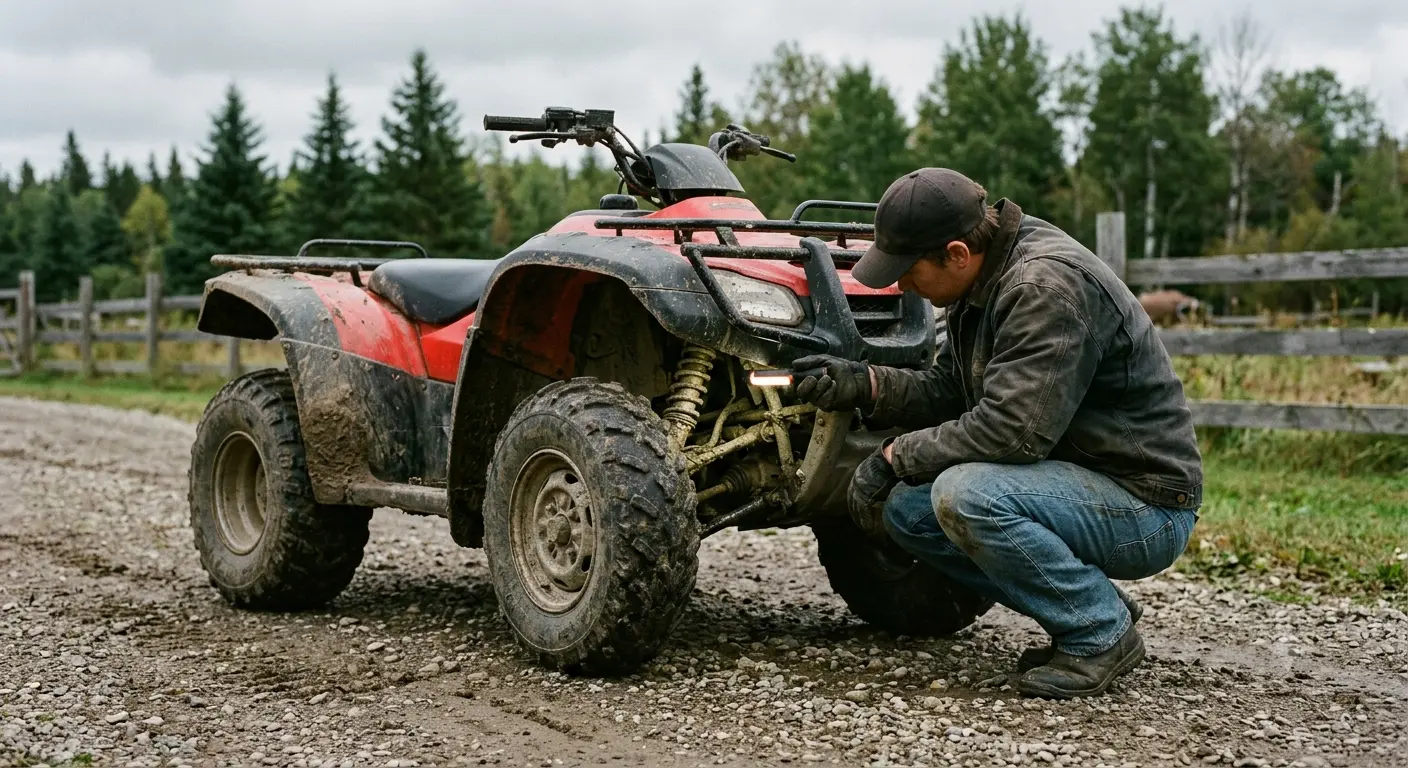
- CV boots and driveline. Torn CV boots let dirt into the joint and lead to expensive driveline repair. Check every boot for cracks or tears before you agree to anything.
- Frame and undercarriage rust. Look underneath for corrosion, especially on machines that have seen winter plowing or coastal salt air.
- Cold start behaviour. Ask to start the machine cold, not after it has already been warmed up before you arrived. Hard starting or smoke on cold start is a real signal.
- Ownership and lien check. Confirm the VIN on the frame matches the ownership document, and run a lien search before paying anything.
- Test the winch, plow mount, and accessories separately. Bundled accessories are a selling point, but they should each work on their own, not just look installed.
If you would rather not do this alone, MudWheelz connects buyers with independent pre-purchase inspectors across Canada, and our free inspection checklist covers this in more depth with a walk-through order.
Financing and Insurance: The Part Buyers Forget
A used utility UTV in the $14,000 to $22,000 range is a real purchase, and financing changes the monthly math significantly. Canadian lenders typically offer terms from 24 to 96 months on powersports loans, and the difference between a 60 and 84 month term on an $18,000 machine can move the payment by well over $100 a month. Run your numbers through a payment calculator before you fall in love with a specific listing, so you are negotiating from a real budget instead of a monthly payment someone else set for you.
Insurance is the other line item people forget until the invoice arrives. Utility UTVs used for farm or property work sometimes qualify for different rates than pure recreational machines, so it is worth getting an insurance quote before you buy, not after, particularly if you plan to plow, tow, or use the machine off your own property.
Frequently Asked Questions
Is a utility UTV or a sport UTV better for a first side by side?
For most first-time buyers in Canada, a utility UTV is the better starting point. It handles trail riding perfectly well at a moderate pace, while also being useful for hauling, towing, and winter work. A sport UTV is the better choice only if trail speed and suspension travel are the specific reason you are buying.
Why are utility UTVs holding their value better than sport UTVs in 2026?
Demand has shifted toward machines buyers can use for work as well as recreation. Polaris reported utility vehicles at roughly 70 percent of its off-road revenue in early 2026, while recreational sales were described as challenged. Used utility machines are selling faster and negotiating less as a direct result.
What is a fair price for a used side by side in Canada right now?
Entry-level utility side by sides typically sell between $8,000 and $14,000 CAD, mid-size utility machines like the Ranger or Defender class between $14,000 and $22,000, and sport machines like the RZR or Maverick X3 class between $16,000 and $28,000, depending heavily on hours and condition.
Should I buy a UTV before winter or wait until spring?
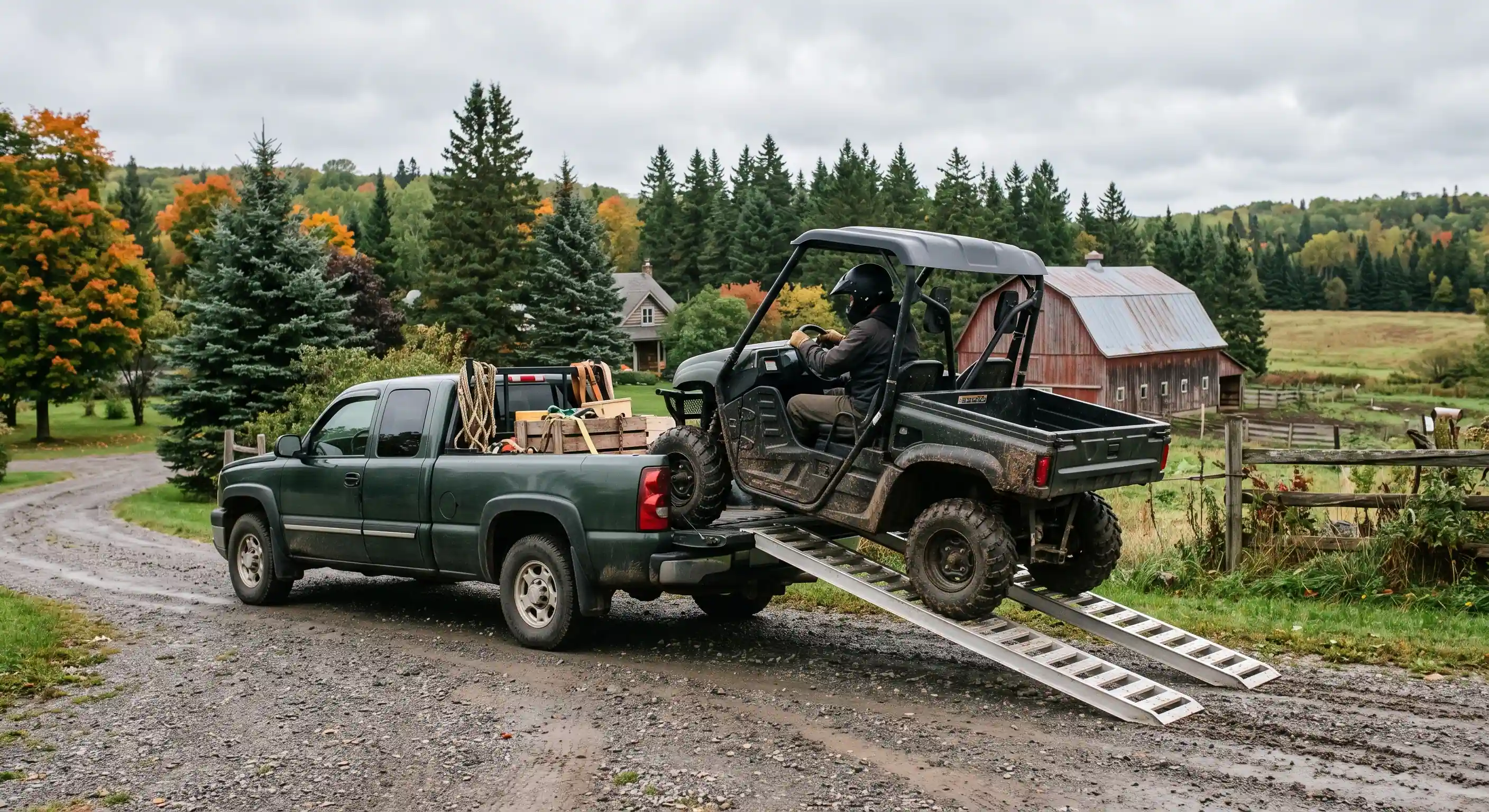
Buying in fall often means less competition and more room to negotiate, since demand typically rises again in spring. A utility UTV bought in fall can also be plowing driveways within weeks, which a sport machine cannot do.
How many hours is too many on a used UTV?
There is no fixed cutoff, but over 1,000 hours on a utility machine or over 400 hours on a sport machine warrants a closer mechanical check, particularly on the CV boots, belt, and driveline. Hours matter more than model year on their own.
Prices in this article are general Canadian market estimates in CAD as of 2026 and will vary by province, condition, and season. Always inspect a used machine in person, or book an independent inspection, before paying anything.