Canada's Powersports Numbers Just Landed. Here's What They Mean If You're Buying Used
Excerpt: Moto Canada released its 2025 Annual Industry Statistics Report in late September, and buried in the numbers is a shift that matters more to used buyers than to anyone else. Side-by-sides hit a five-year sales high. ATV units slipped while total ATV spending went up. Here's how to read that — and how it should change what you look for on a used lot this fall.
The Headline Numbers
Moto Canada, the national trade association for the powersports industry, published its 2025 Annual Industry Statistics Report on September 23. It's the closest thing Canada has to an official scoreboard for what's actually selling, and this year's edition landed with a few figures worth writing down:
- 37,918 side-by-sides / ROVs sold — a five-year high for the category
- 48,994 ATVs sold — unit volume softened slightly, but retail dollar sales went up
- 61,623 new motorcycles and scooters — registrations at their highest point in five years
Moto Canada President and CEO Landon French described 2025 as a year of "normalization" — the industry settling into a steadier rhythm after several years of pandemic-era whiplash, where demand spiked, inventory vanished, and prices went sideways in ways nobody could plan around.
The Detail That Actually Matters
The interesting line isn't the side-by-side record. It's the ATV one: fewer units sold, more money spent.
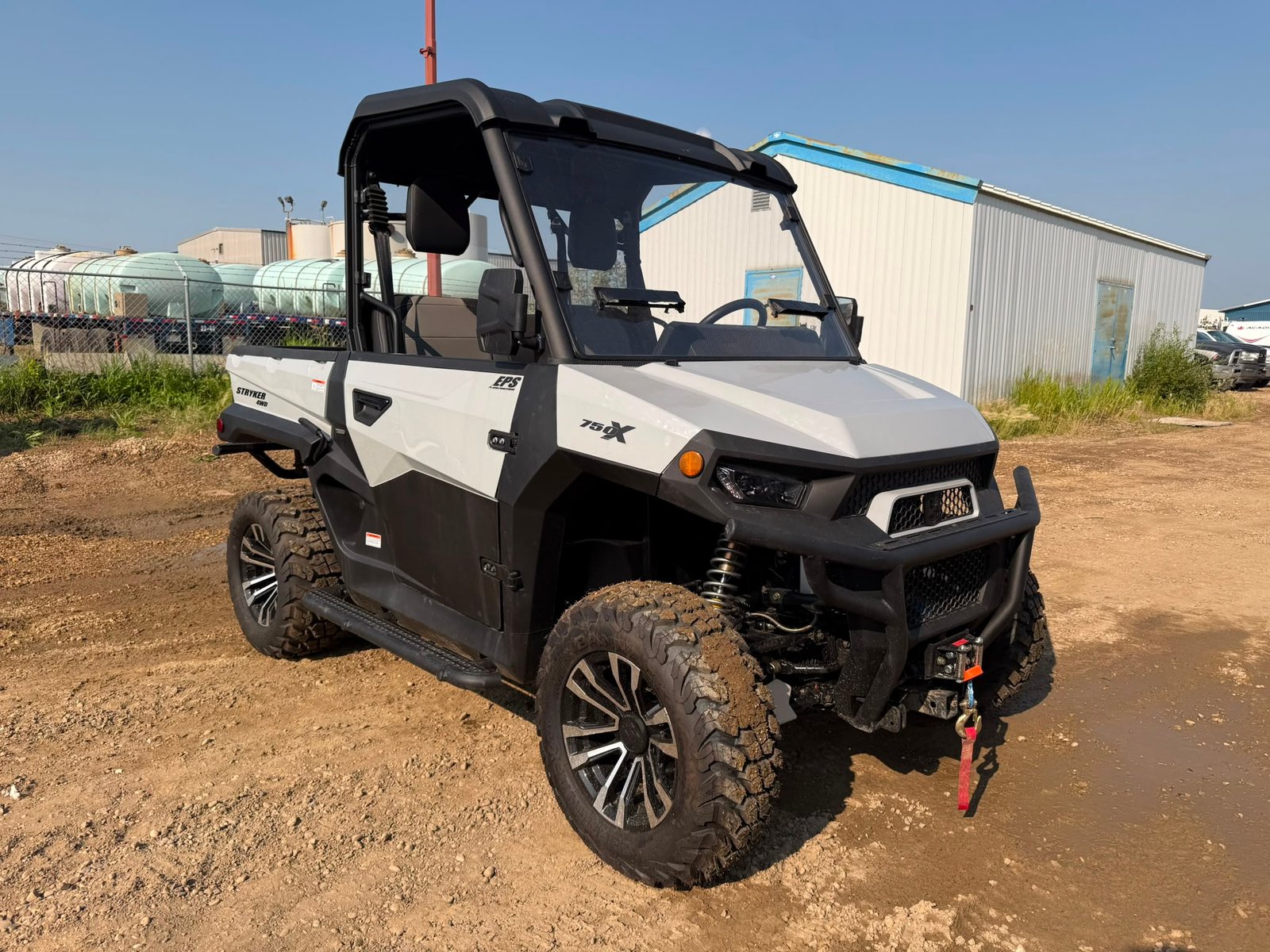
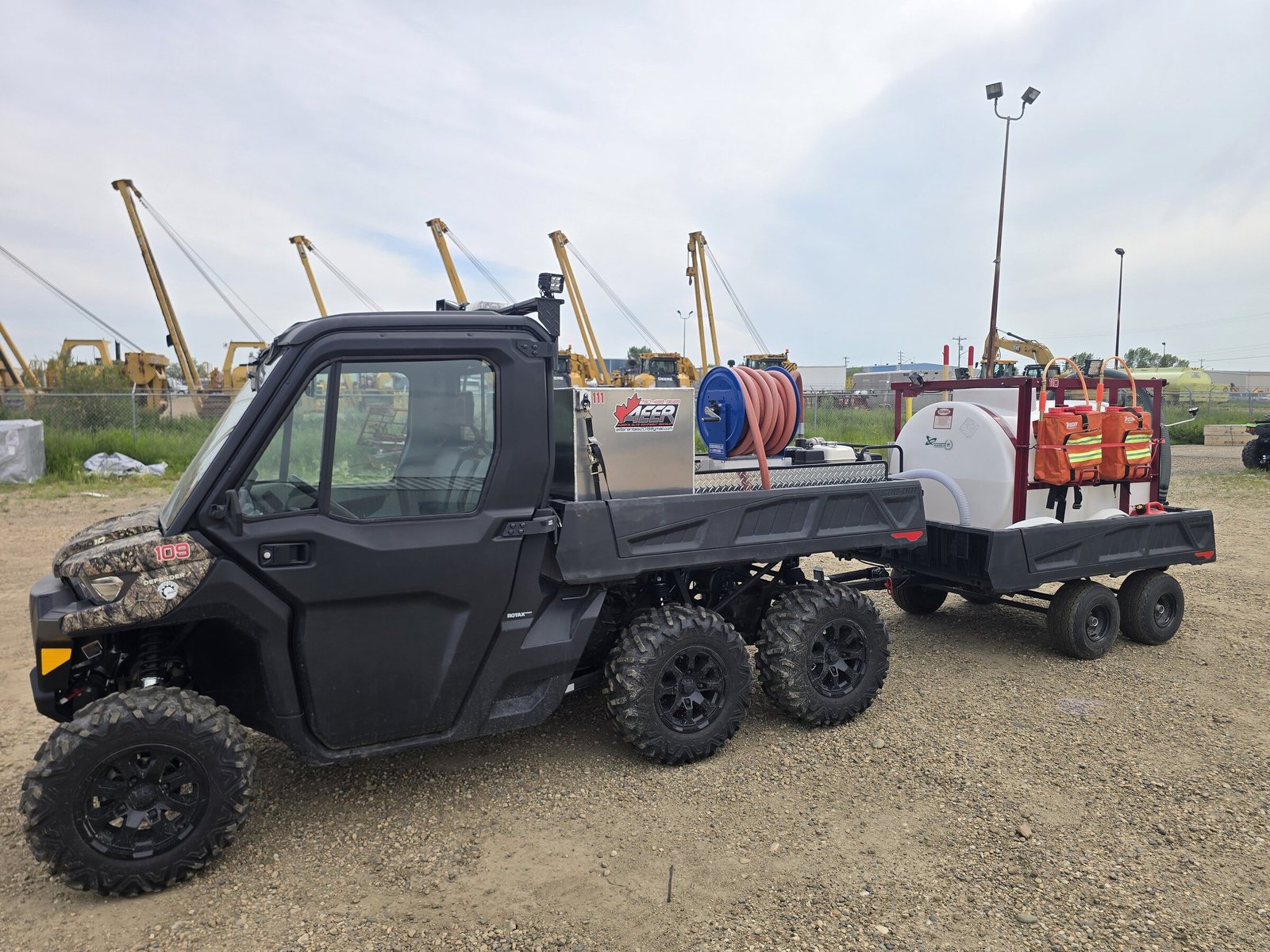
That combination only happens one way. Buyers aren't leaving the category — they're buying up. Instead of a base-trim 450, more people are walking out with a 700 or 1000, power steering, an EPS package, a winch already fitted, maybe a camo or premium trim. The average transaction is heavier. And when a market spends more per machine at the new-vehicle level, that flows straight into the used market a couple of years later as better-equipped trade-ins.
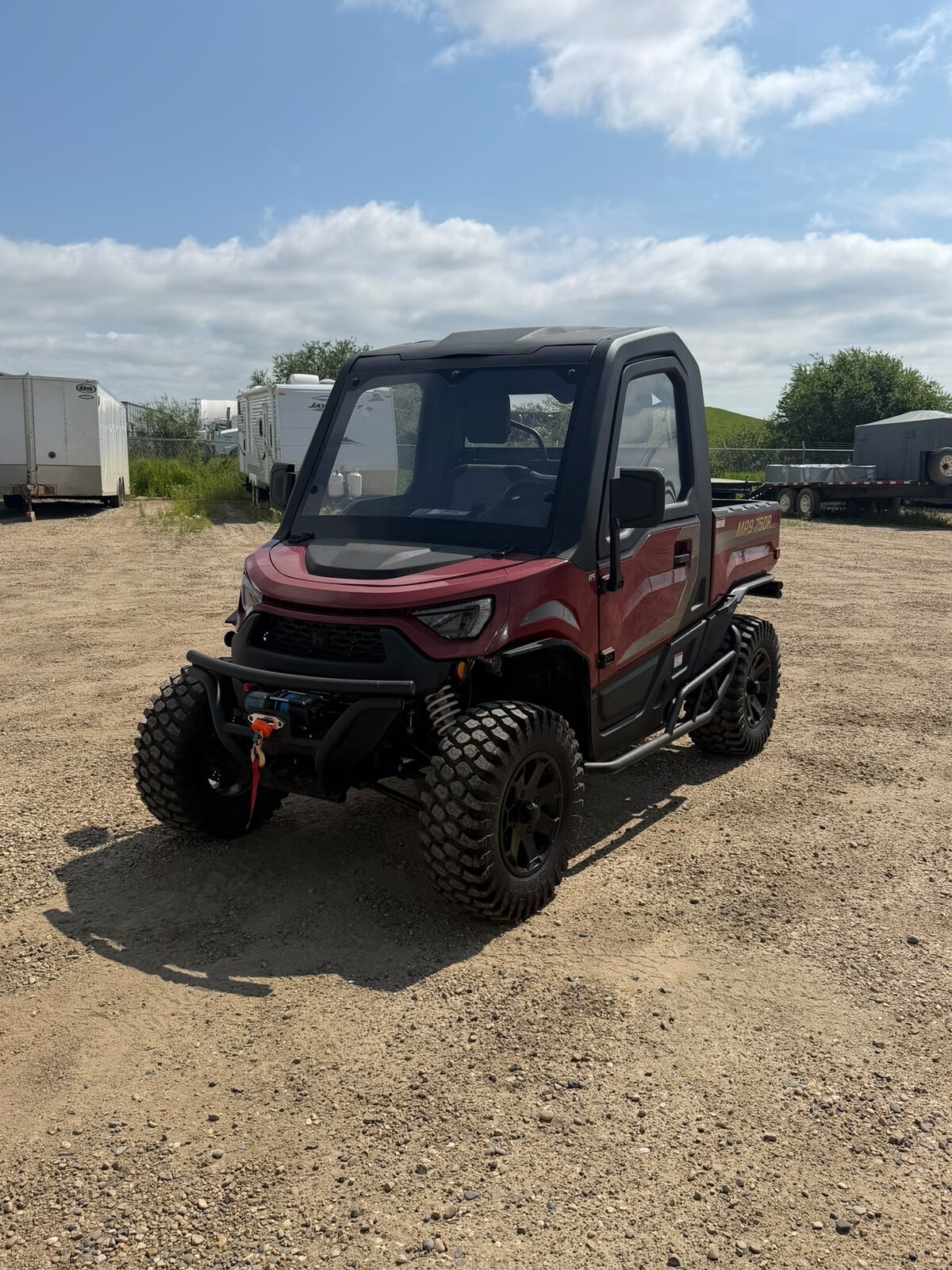
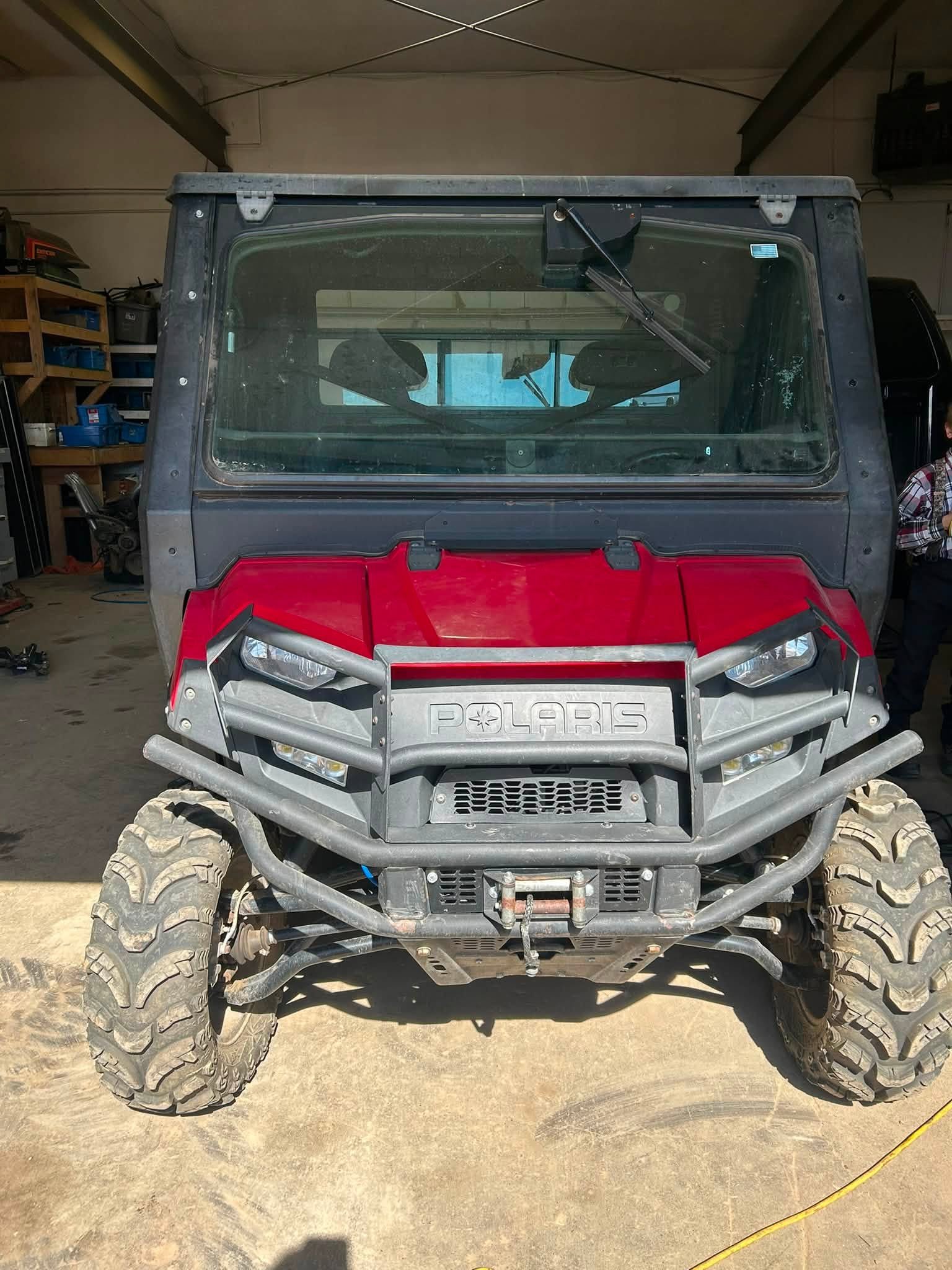
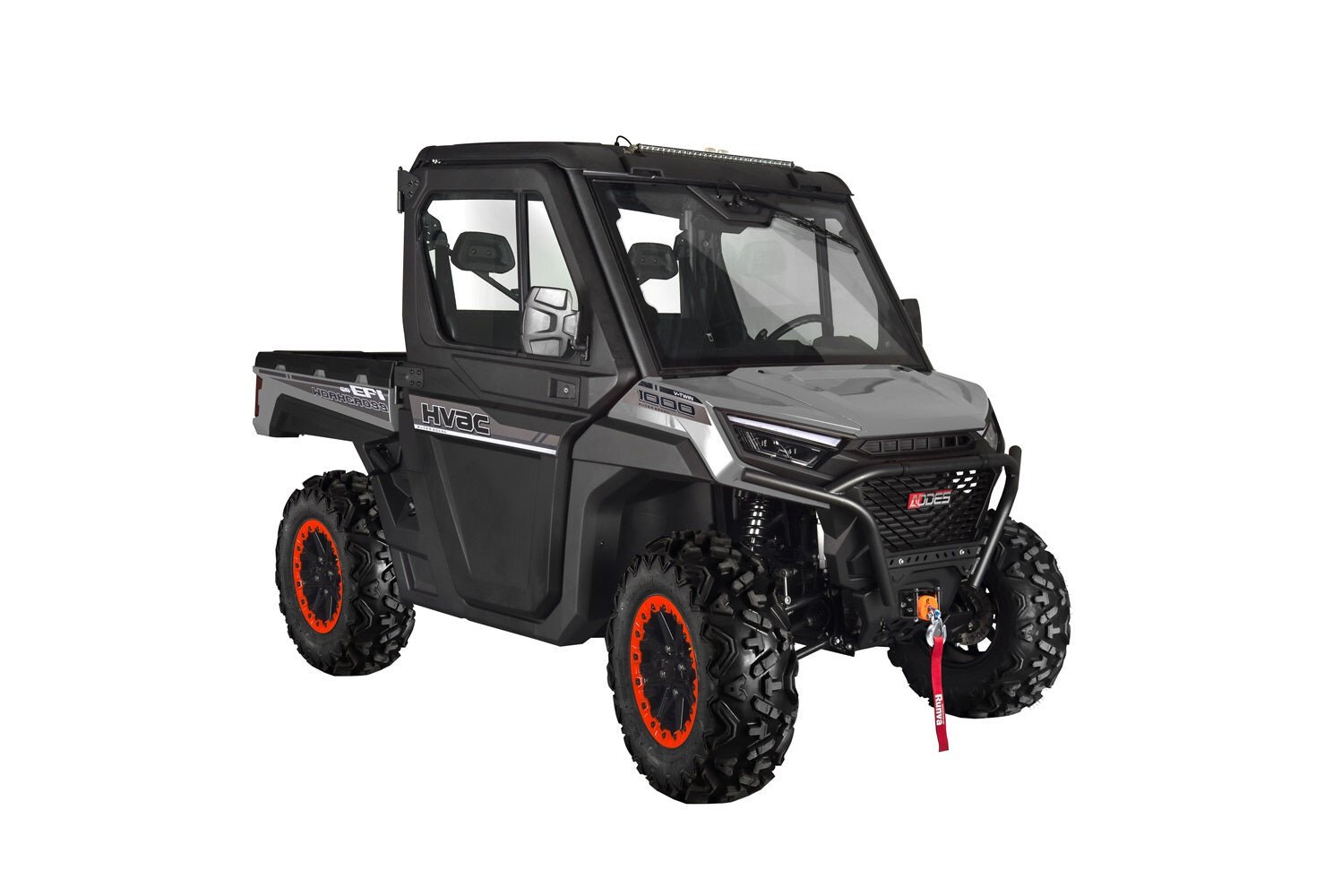
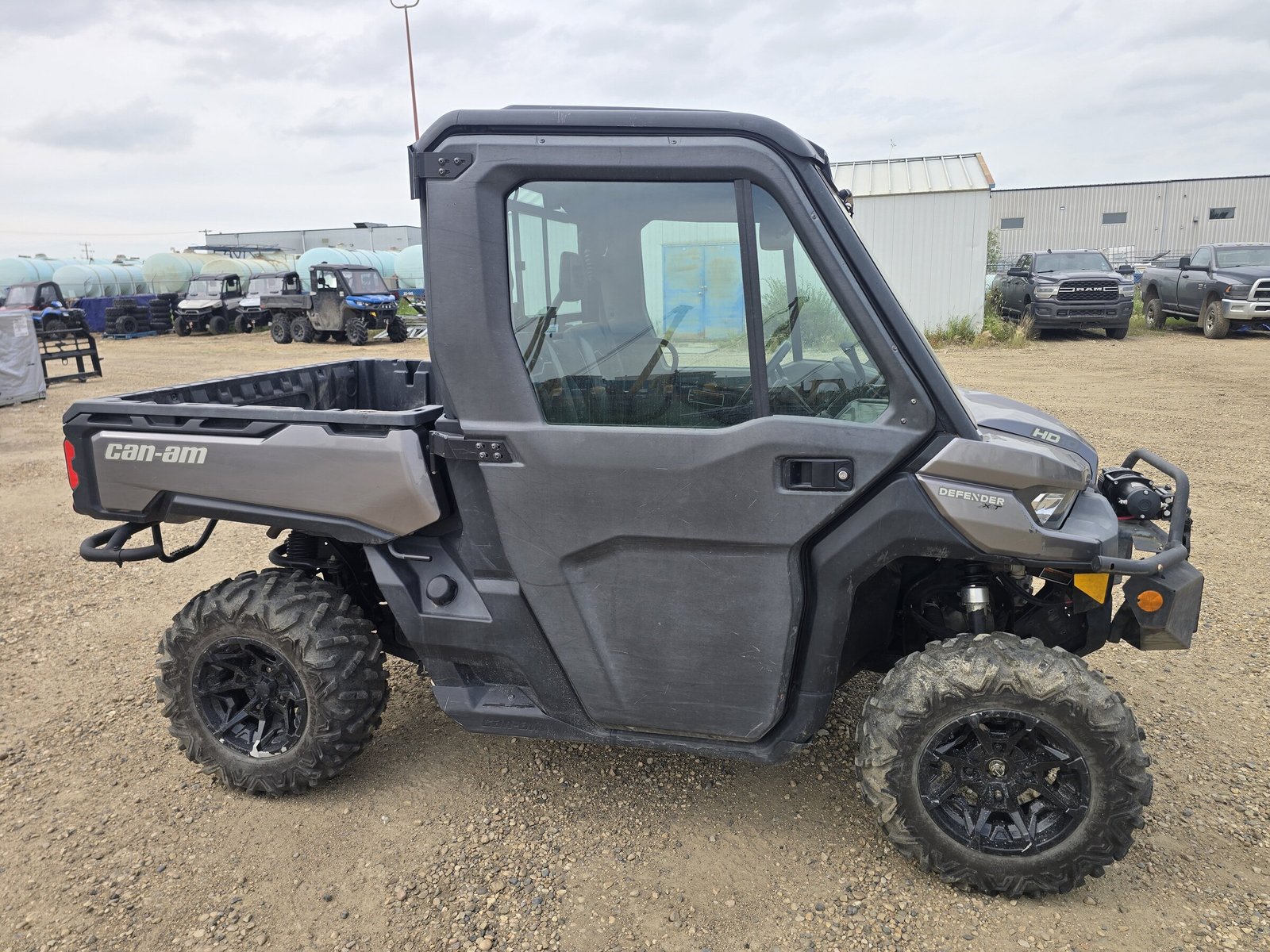
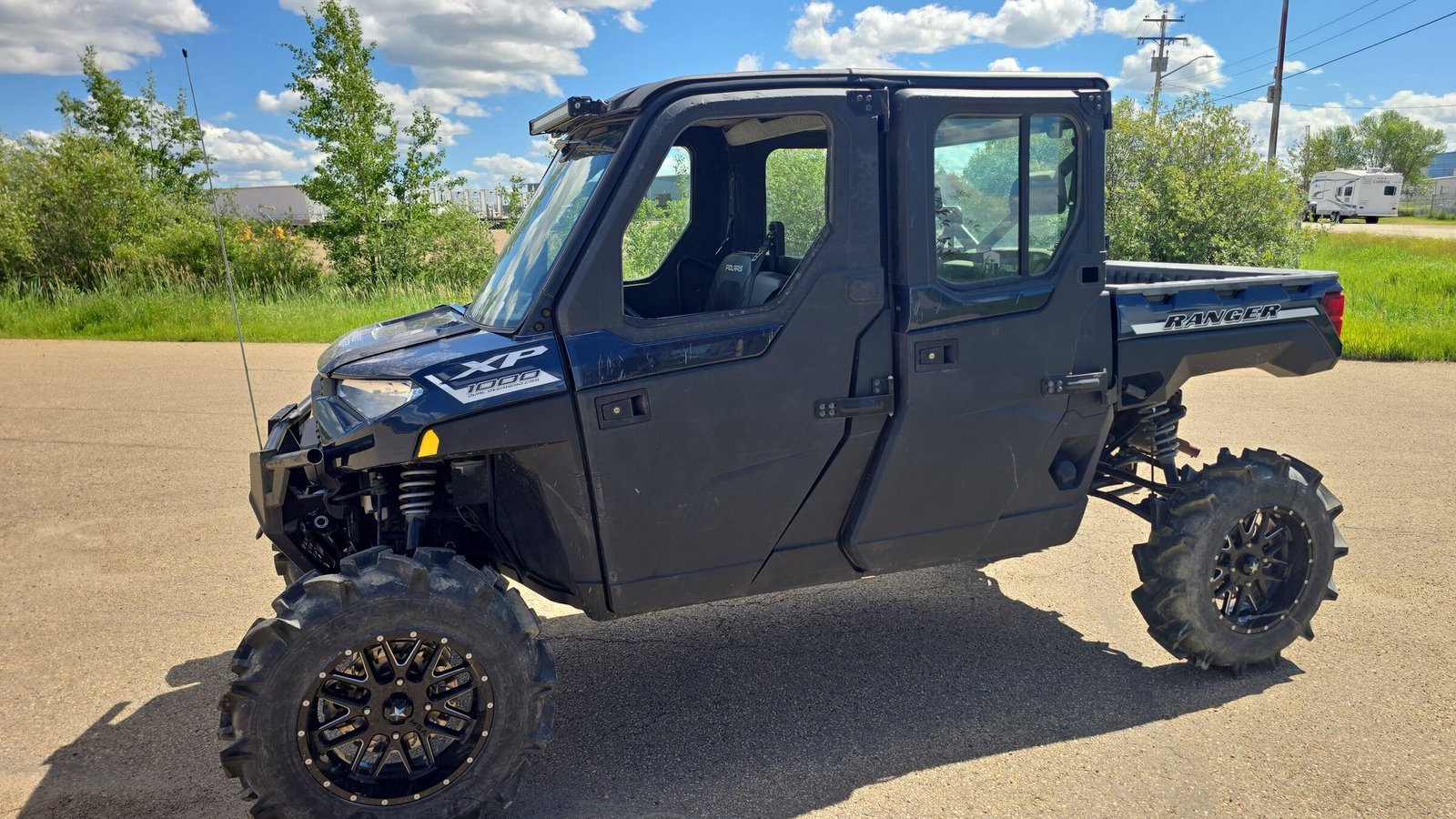
The side-by-side number tells a related story. A five-year high in a category that was already the fastest-growing segment in Canadian powersports means the shift from quads to cabs is not a blip. Families, hunting parties, cottage owners, and farm operations keep choosing the machine with two seats and a box over the machine you straddle. We wrote about the practical side of that choice in utility vs. sport UTVs in 2026, and the 2025 numbers back up what riders have been telling us.
Why This Should Change How You Shop Used
Three consequences follow from those figures, and each one is actionable this season.
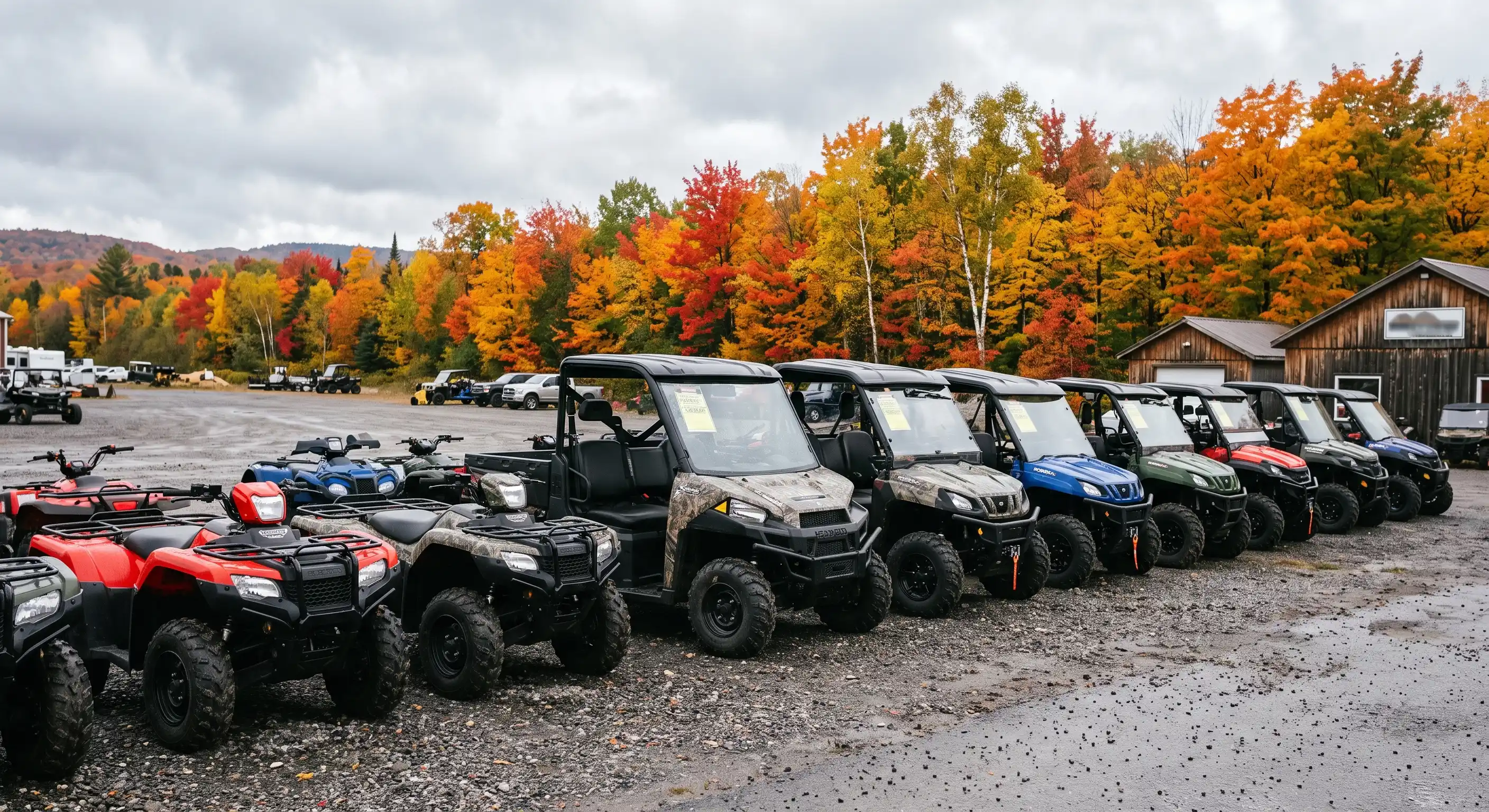
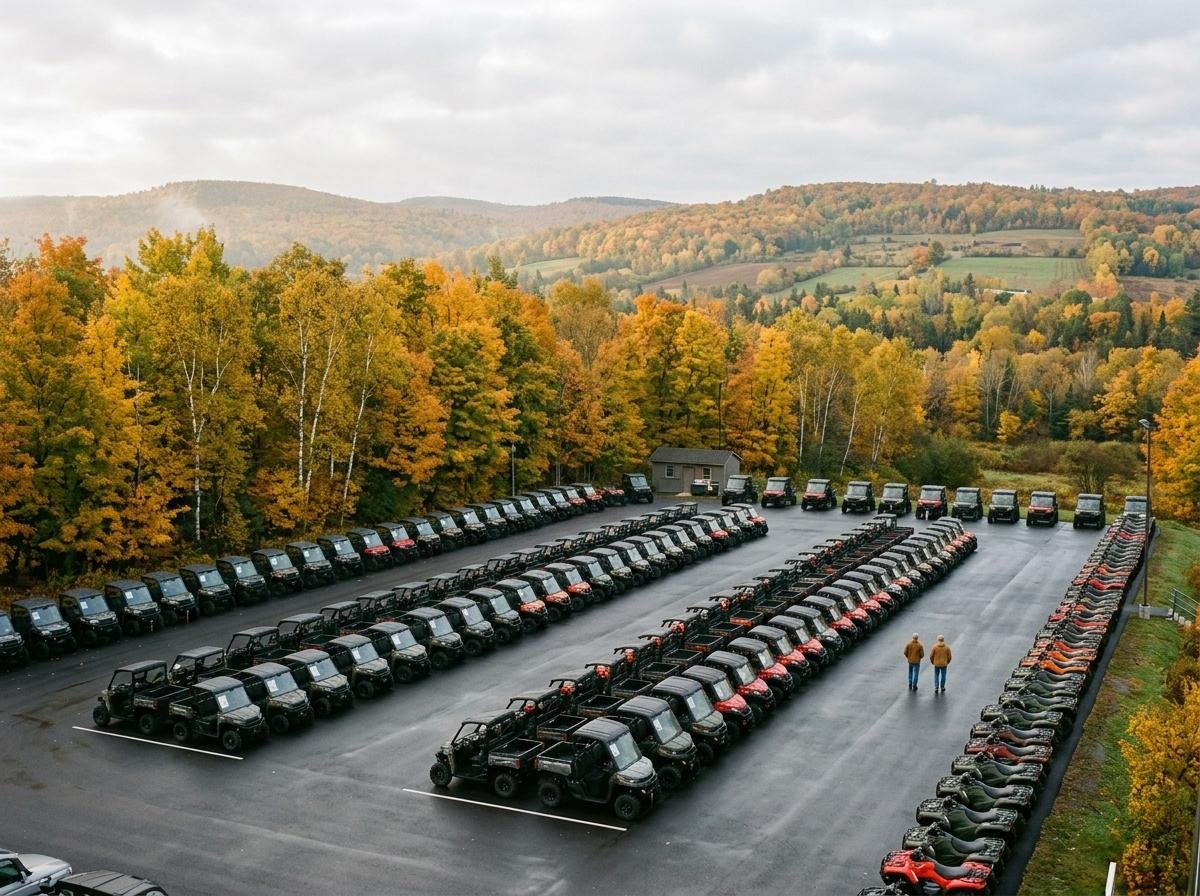
1. The used side-by-side pool is getting deeper — and more varied. Record new sales in 2025 means a wave of two-to-three-year-old trade-ins arriving through 2027 and 2028. But it also means today's used listings are unusually mixed: machines bought during the tight-inventory years at inflated prices sit alongside machines bought in a normalized market. Two identical model years can have wildly different original purchase histories, and sellers price on what they paid, not on what the market is doing now. Compare at least four or five listings of the same model before you make an offer, and run the number through a price calculator rather than trusting a single asking price as the benchmark.
2. Well-equipped used ATVs are about to get easier to find. If buyers are spending more per machine on accessories and trim, the machines coming off those purchases in a few years arrive with the winch, the EPS, and the heated grips already installed and paid for. If you're patient, waiting for a loaded used unit beats buying a base machine and bolting parts on afterwards — the used market rarely charges full retail for factory options.
3. Normalization means negotiating room is back. During the shortage years, a used machine in decent shape sold at asking price within a day, and buyers had no leverage at all. A normalized market restores the ordinary rules: listings sit longer, sellers soften, and walking away is a real option again. If you've been out of the market since 2021 or 2022, recalibrate — you are not in that market anymore. For a sense of where new prices sit now, our look at whether Polaris and Can-Am have gotten too expensive is a useful anchor when you're deciding what a used unit should reasonably cost.
Timing: Fall Is Not a Bad Time to Be Shopping
Every year, a portion of the Canadian market treats late fall as a deadline. Riders who didn't use the machine much over the summer decide they don't want to pay for storage or insurance through another winter, and they list. At the same time, a chunk of buyers are already mentally into snowmobile season and aren't looking at quads at all.
Fewer buyers plus more motivated sellers is a good place to stand. The trade-off is inspection conditions — you won't get a proper mud test in November, and a cold-weather test ride tells you less about a cooling system than a July one does. Budget a bit more caution accordingly, and don't let a tight seasonal window talk you out of a thorough look. If you can't assess the machine properly yourself, a pre-buy inspection costs a fraction of what a bad engine costs.
Worth noting: one thing that hasn't changed is the paperwork picture. Tariff news created a lot of noise this year about whether off-road prices were about to jump; our breakdown of whether ATVs and UTVs are actually affected covers where that actually landed.
What Has Not Changed
Market data is useful for framing a decision. It is completely useless for evaluating the specific machine in front of you. A record year for side-by-sides doesn't tell you whether this one has a slipping clutch.
The fundamentals are exactly what they were:
- Verify the VIN against the paperwork, and check it's not carrying a lien
- Cold start it — insist on it, and be suspicious if the seller has it warmed up when you arrive
- Pull the dipstick and look for milky oil, which means water got somewhere it shouldn't
- Check the CV boots for splits, especially on a machine that's seen real mud
- Look at wear patterns on the seat, grips, and footwells against the stated hours
- Get the service history in writing if the seller claims one
Our complete pre-purchase checklist walks through the full sequence, including what to ask before you drive out to see anything.
The Short Version
2025 was the year the Canadian powersports market stopped behaving strangely. Side-by-sides are more popular than they've ever been, ATV buyers are spending more per machine even as unit counts ease off, and the whole industry has settled into something recognizable again.
For anyone buying used, that's straightforwardly good news. More supply is coming, better-equipped machines are coming with it, and the leverage that vanished during the shortage years has quietly come back to the buyer's side of the table. Take your time, compare widely, and verify everything.
Ready to start looking? Browse used ATVs and side-by-sides across Canada, or check new inventory if you'd rather compare against current models. If financing is part of the plan, our financing application takes a few minutes, and it's worth sorting insurance coverage before you're standing in a driveway with cash in hand.
Related Reading
- Buying a Used ATV or Side-by-Side in Canada: The Complete Pre-Purchase Checklist
- Utility vs. Sport UTVs in 2026: Which One Actually Fits Your Riding Style?
- Are Polaris and Can-Am Too Expensive in 2026? Here's What the Numbers Actually Say
Source: Moto Canada 2025 Annual Industry Statistics Report, released September 23, 2026.