Why Off-Road Vehicles Are an Easy Target
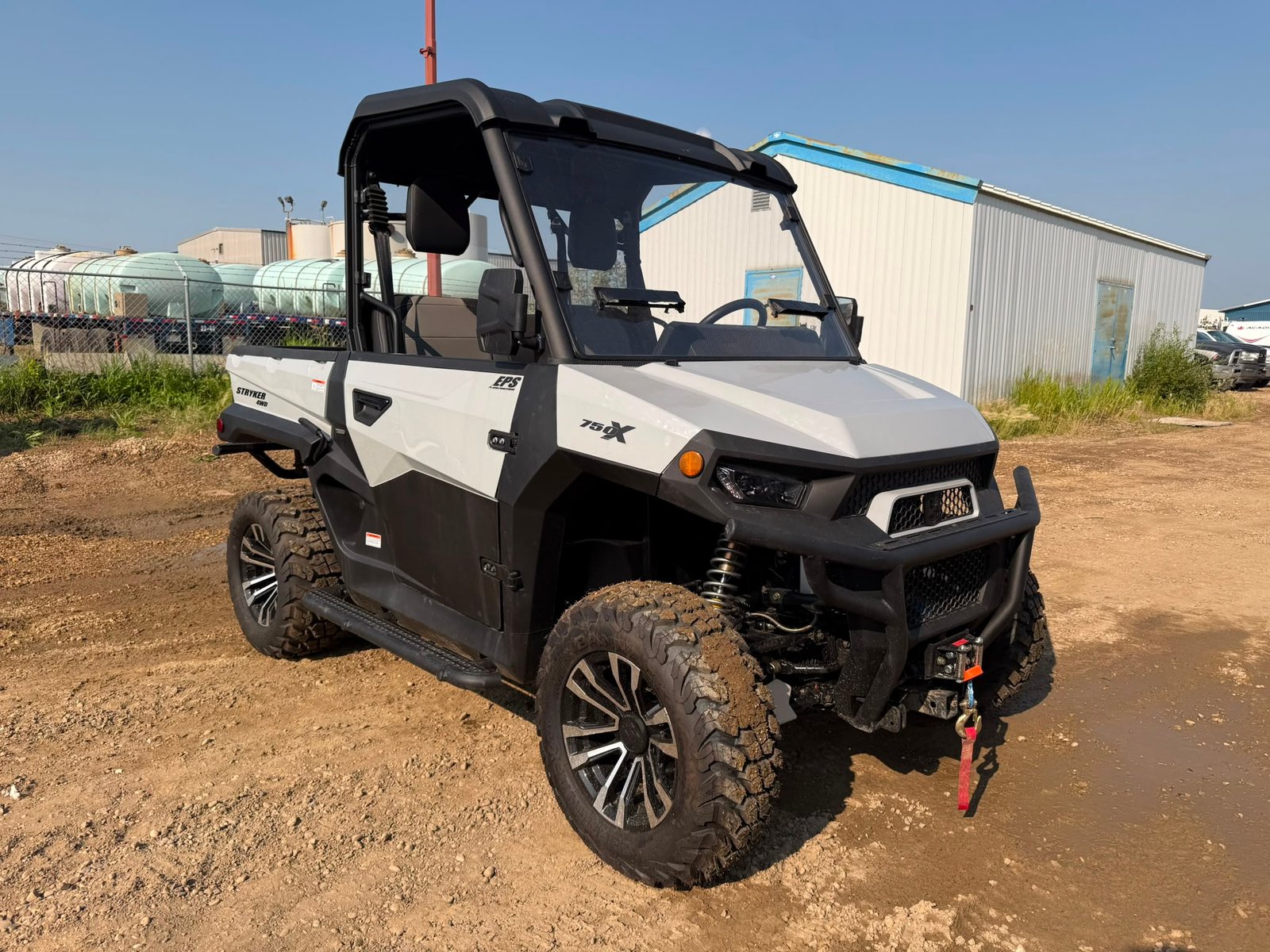
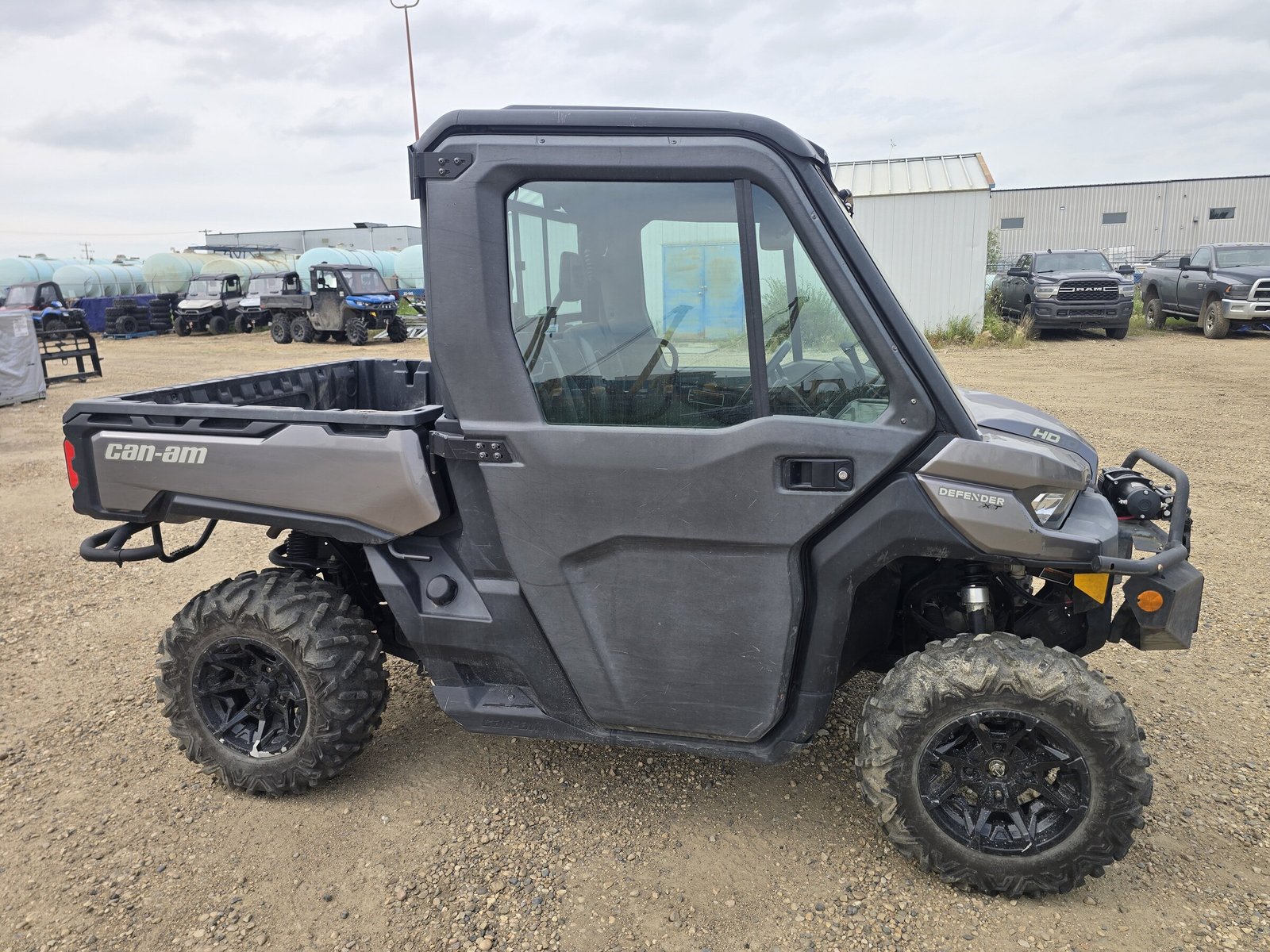
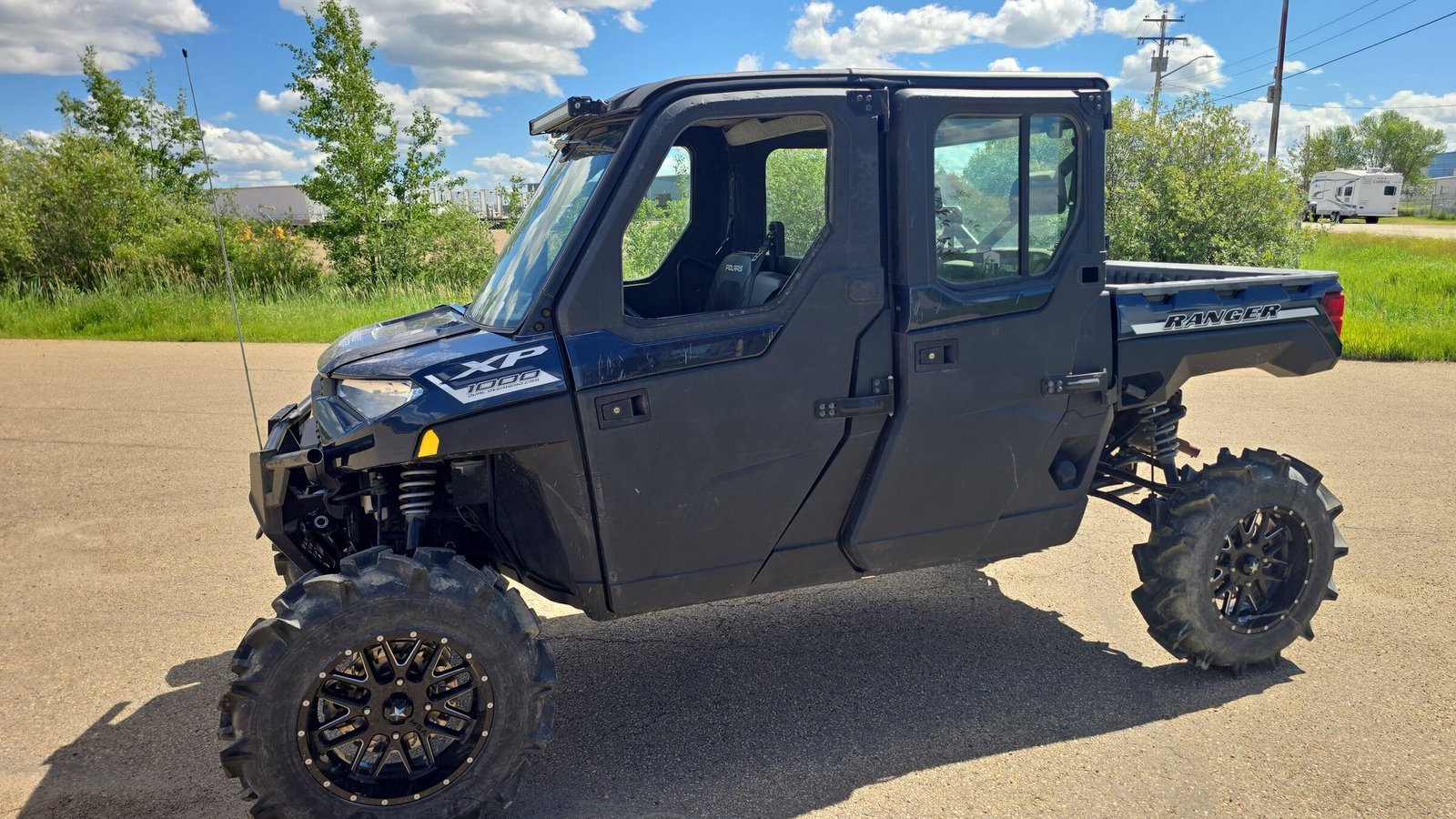
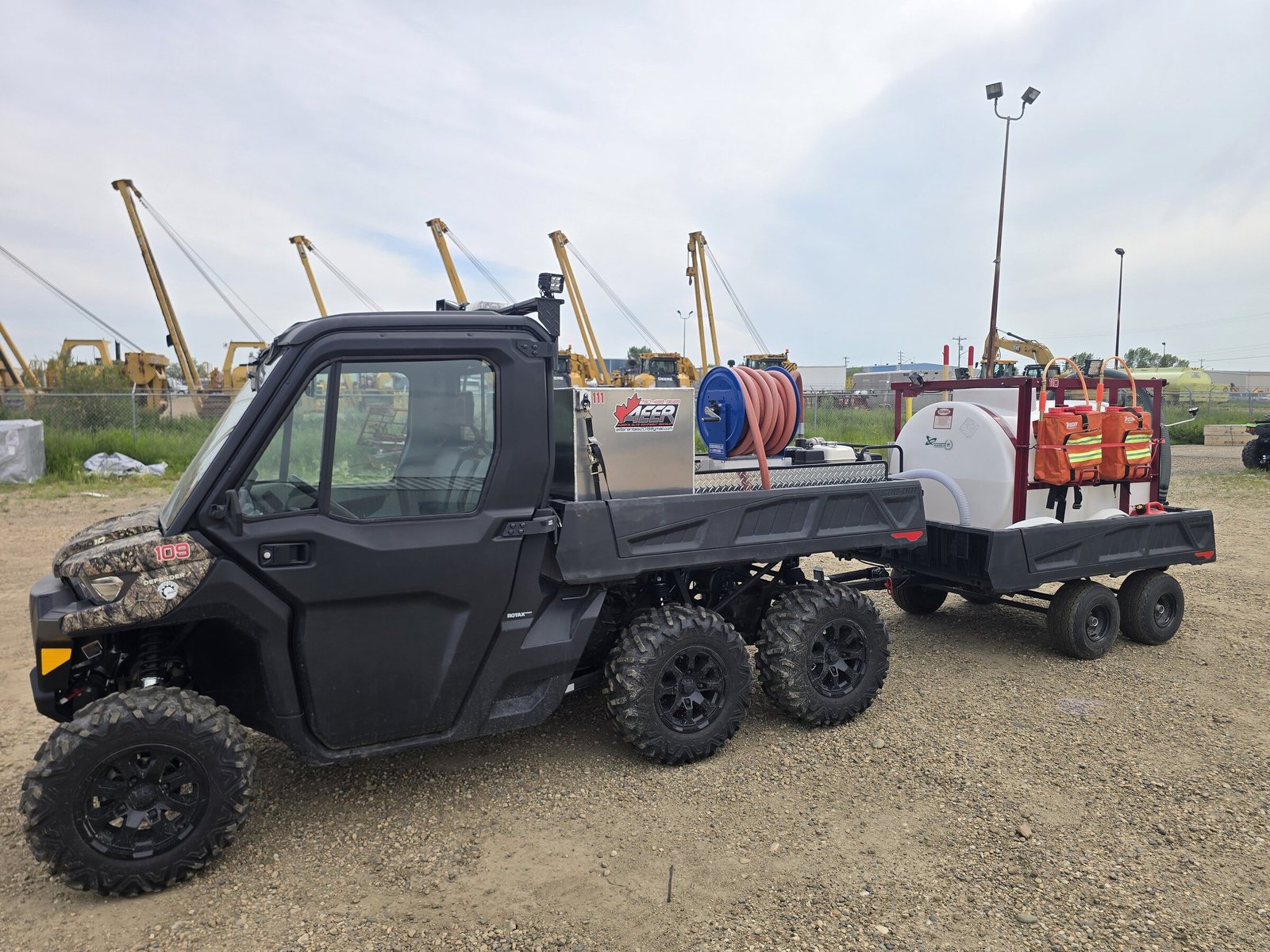
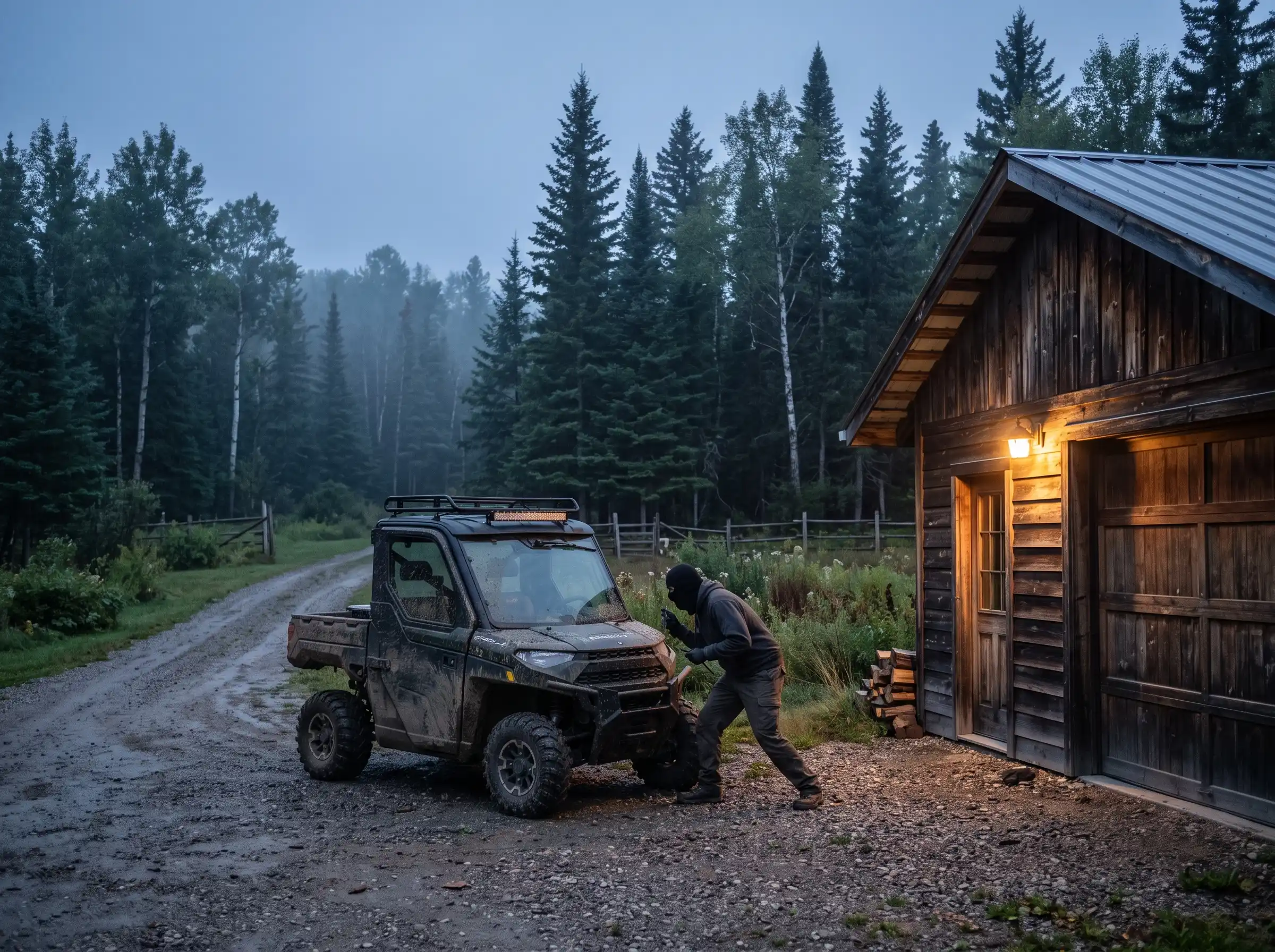
Vehicle theft has been a growing headache for Canadian insurers and police services over the past several years, and off-road machines carry a few traits that make them particularly attractive to thieves. Unlike a car parked in a locked garage, an ATV or UTV is often stored in a driveway, a barn, a cottage property, or a trailer — sometimes for weeks at a time between rides. Many units don't have a visible VIN plate the way a car does, ignition security is minimal compared to modern vehicles, and a side-by-side can be winched onto a trailer and gone in under two minutes.
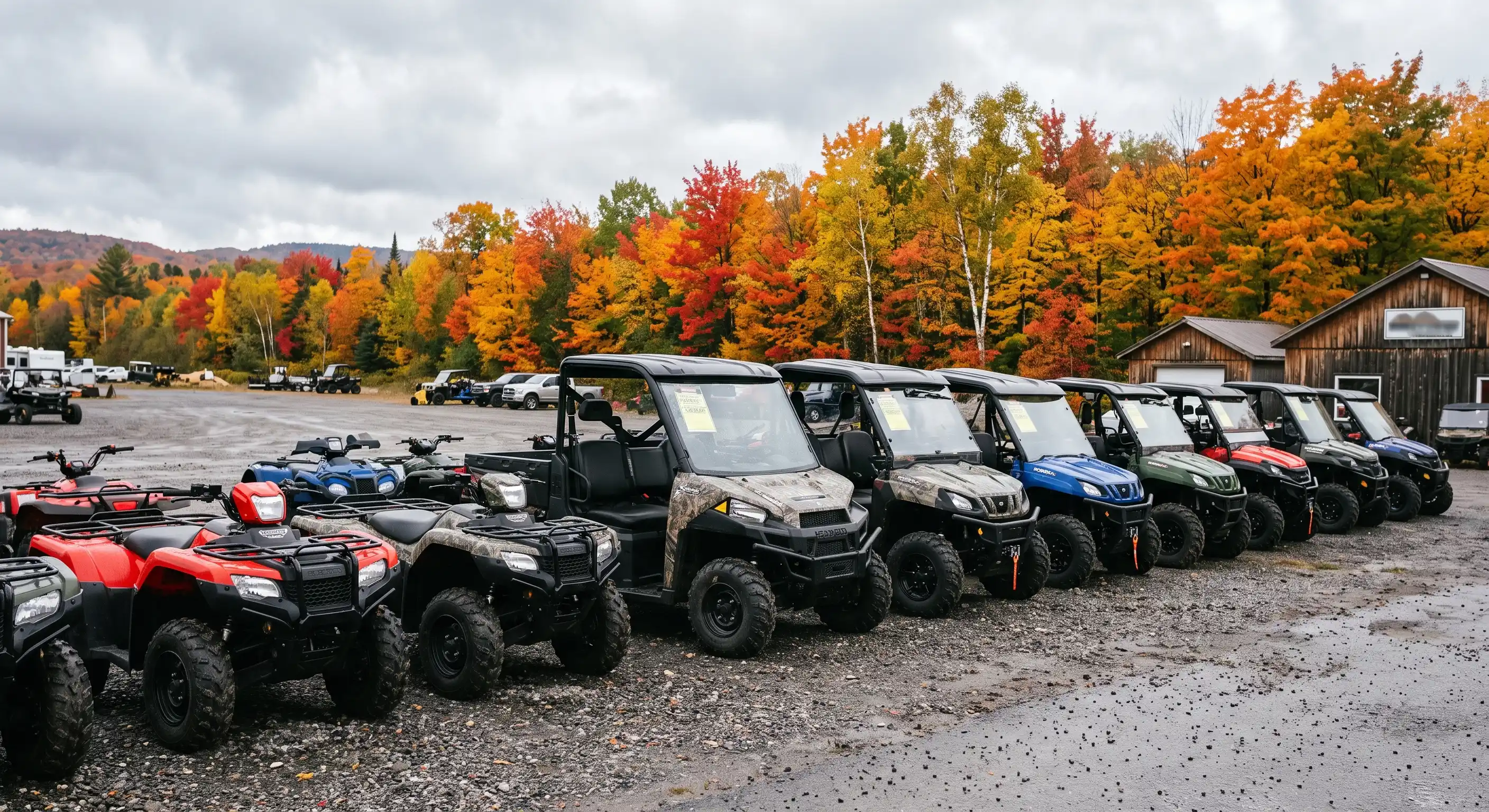
Once stolen, these machines don't need to cross a border or hit a chop shop to disappear. A surprising number end up relisted for sale within the same province, sometimes with a swapped VIN sticker, a "no paperwork, cash only" story, or a suspiciously low price justified by a vague explanation. For a private buyer scrolling classifieds, there's often no easy way to tell a legitimately-owned used machine from a stolen one — until the original owner, an insurance investigator, or the police show up months later.
What Actually Helps: GPS Trackers, VIN Checks, and Paper Trails
The good news is that off-road theft protection has gotten a lot more accessible. A compact GPS tracker — many now the size of a deck of cards, magnetically mounted and rated for mud, water, and cold — can turn a stolen machine into a recoverable one instead of a total loss. Look for a tracker with geofencing (an alert the moment the machine leaves your property) and a reporting interval fast enough to actually catch movement in real time, not just a location ping every few hours.
On the buying side, a VIN check is the single cheapest form of insurance you can buy before handing over cash. It won't catch every case, but it flags a machine reported stolen, one carrying a lien, or one with a branded or salvage history the seller conveniently forgot to mention. Combine that with a request to see the seller's original bill of sale or registration, and most red flags become obvious fast. Registration and insurance requirements also differ by province, so it's worth knowing what changes the moment you cross a provincial border before you finalize a purchase, and confirming your insurance coverage actually includes theft before you need it.
Why a Pre-Buy Inspection Matters More Than People Think
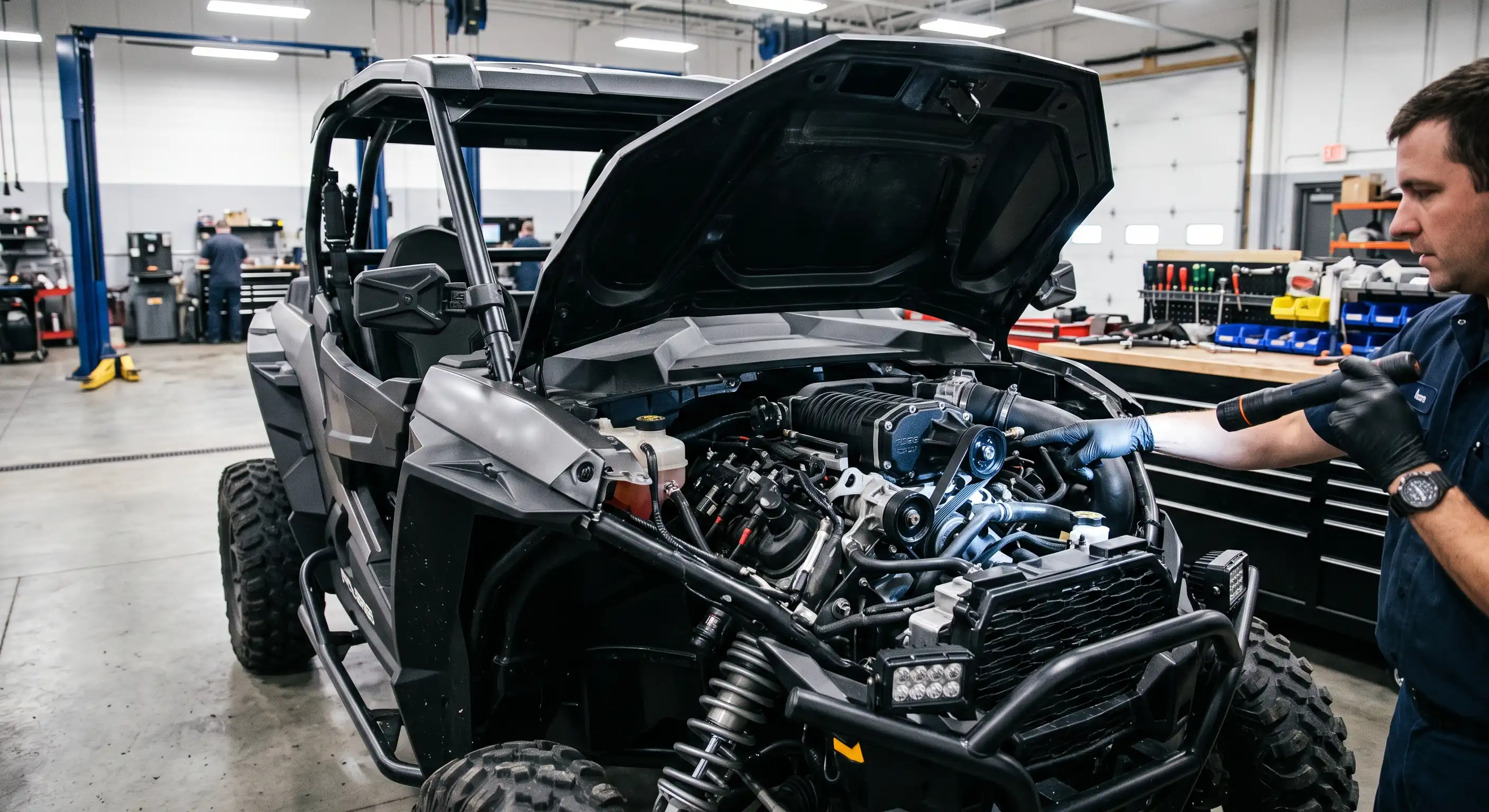
A VIN check tells you the paperwork story. A physical inspection tells you the mechanical one — and it also gives a second set of trained eyes a chance to notice things a private buyer might miss: a re-stamped frame number, mismatched panel wear consistent with a fast repaint job, or an ignition system that's been tampered with rather than key-cut normally. None of these are things you can reliably spot from photos in a Facebook Marketplace listing.
This is exactly the gap MudWheelz's pre-buy inspection service is built to close. Instead of relying on a seller's word, a buyer can have a qualified inspector look the machine over before money changes hands — covering both mechanical condition and the kind of red flags that point to a stolen or misrepresented unit. It's the difference between hoping a deal is legitimate and actually knowing. Pair it with our complete pre-purchase checklist and you've covered both the mechanical and the paperwork side of the deal.
Protecting Yourself as a Seller, Too
Theft concerns don't just affect buyers. A legitimate seller with a clean machine and full paperwork stands out — and benefits — in a market where buyers are getting more cautious. Listing through a platform where your listing history, dealer status, or verified details are visible (rather than an anonymous marketplace post) builds trust faster and typically leads to quicker, less-haggled sales. MudWheelz's free listings and dealer directory give legitimate sellers, both private and dealer, a way to stand apart from the sketchier corners of the classifieds.
A Quick Checklist Before Your Next Purchase
- Run a VIN check before you agree on a price, not after
- Ask for the original bill of sale, registration, or dealer invoice
- Meet in daylight, ideally at the seller's home address rather than a parking lot
- Check for a re-stamped or filed-down frame number where the VIN is normally located
- Book a pre-buy inspection for anything you can't verify yourself
- If a deal feels rushed, cash-only, or too cheap for the model year, walk away
The Bottom Line
Off-road theft isn't going away, but it's manageable on both ends of a transaction. A GPS tracker protects the machine you already own. A VIN check and a pre-buy inspection protect the money you're about to spend on your next one. And buying or selling through a platform built around transparency — free listings, a real dealer directory, and inspection support — makes the whole process safer for everyone riding in Canada this season.