The Quick Answer
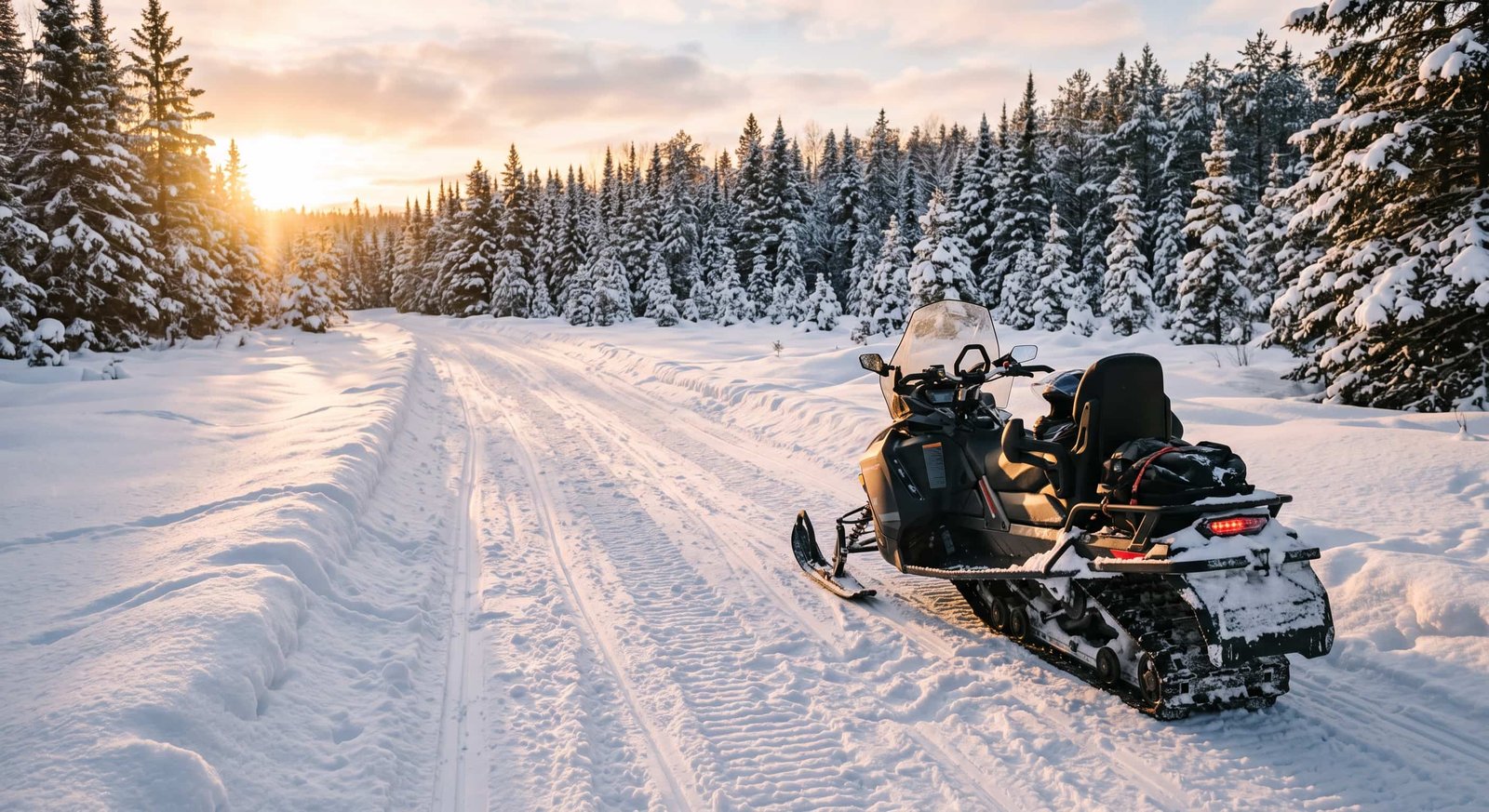
Multiple long-range forecasters including the Farmers' Almanac and Severe Weather Europe are calling for a snowier than normal winter across large parts of Canada in 2026 to 2027. The driver is a developing Super El Nino, which is reshaping jet stream patterns and storm tracks in a way that historically delivers above-normal snowfall to Ontario, Quebec, Atlantic Canada and the northwestern Prairies. For snowmobilers, that means a strong season is likely on the way. It also means you need to buy your trail permit, service your sled, and sort your insurance before everyone else has the same idea in December.
Why this matters right now: Ontario trail permits go on sale October 1. Quebec permit prices increase in three steps between October and mid-December, rising from $425 to $550 before going up to $900 on the trail. The seasonal forecast published this week by the Farmers' Almanac is the most bullish call for eastern Canadian snowfall in years. If the forecast verifies, groomed trail availability will be high and permit demand will be strong. Buy early.What the 2026 to 2027 Winter Forecast Actually Says
The Old Farmer's Almanac Canada winter forecast for 2026 to 2027, published in the past two weeks, calls for what it describes as a season of dramatic contrasts rather than a single coast-to-coast deep freeze. The regional picture for snowmobilers breaks down like this:
| Region | Forecast summary | Outlook for riders |
|---|---|---|
| Ontario | Frequent snow, lake-effect squalls, freezing rain and ice. Snowier than normal in southern Ontario. | Strong. OFSC trails should have solid base early. |
| Quebec | Colder and snowier than normal. Powerful nor'easters possible. Sharp temperature swings between events. | Strong, but freeze-thaw cycles are the risk. |
| Atlantic Canada | Wetter and snowier than normal. Active coastal storm track throughout the season. | Strong for NB and NS trail networks. |
| Prairies | Arctic cold, wind and blizzards in the forecast. Northwestern Prairies snowier than normal. | Good for northern SK and AB riders. |
| BC | Snowier than normal in the interior. Coast sees rain and wind. Mountain snowpack forecast above normal. | Excellent for interior and mountain riders. |
| Yukon and NWT | Above normal temperatures, below normal snowfall. The north may actually be quieter than average. | Mixed. Watch local trail reports closely. |
What Is Driving the Forecast: Super El Nino
The pattern behind most of these calls is a developing Super El Nino, described by Severe Weather Europe as a major global weather driver that is already established and reshaping jet stream behaviour. Early signs are emerging for a potentially more disrupted Polar Vortex during winter 2026 to 2027, with new long-range data showing a notable January weakening signal in the stratosphere.
A weakened Polar Vortex is what Canadian riders want to hear. When the stratospheric Polar Vortex weakens, Arctic air escapes south along displaced paths, cold air masses push further into Ontario and Quebec than usual, and snow events that would otherwise produce rain instead produce heavy accumulation. The Farmers' Almanac is calling for Arctic cold and blizzards across the Prairies, frequent snow and icy conditions around the Great Lakes, and an active mix of snow, sleet, freezing rain and coastal storms across eastern Canada.
The caveat every forecaster is attaching is that this does not mean a simple cold winter. Rather than one long stretch of deep freeze, the forecast suggests weather could be marked by dramatic temperature changes, with snowstorms potentially giving way to sleet, freezing rain or rain before Arctic air moves back in. For snowmobilers that means watching trail conditions carefully after warm spells, not just booking rides based on a blanket "good winter" call.
Trail Permit Deadlines: What You Actually Need to Do Before November
A strong winter forecast means nothing if you are buying your permit on the trail in January. Here are the real deadlines and what they cost you if you miss them.
| Province | Permit on sale | Early price | What waiting costs |
|---|---|---|---|
| Ontario (OFSC) | October 1 | Discount rate before November 1 | Full rate after November 1. Multi-day permits available from December 2. |
| Quebec (FCMQ) | October window | $425 annual | $450 November. $550 after December 15. $900 on the trail. |
| New Brunswick | Check NB federation | Registration and insurance required on trails | Riding without one is illegal, not just expensive. |
| Nova Scotia | Check NS ATVA | Registration required | Same principle as NB, legal requirement not optional. |
The Quebec numbers are worth memorising: $425 now versus $900 on the trail is a $475 difference for the same permit. If you ride Quebec trails even once per season, the early purchase pays for itself on the first day out. That Quebec permit also includes mandatory civil liability insurance under the province's off-highway vehicle legislation, so the permit and your legal coverage are bundled together.
Your Pre-Season Sled Checklist: What Cannot Wait Until December
If the forecast verifies and the season opens strong, every powersports shop in Ontario and Quebec will be fully booked the week after the first major snowfall. Belt replacements, track inspections and chassis work that take two days in October take two weeks in December. Do this now.
- Belt. Inspect for cracks, fraying and glazing. A belt that survived last season under heavy use often does not survive the first hard pull of the new season. They are cheap to replace now and very expensive to be stranded with.
- Track. Check for cracked lugs, broken clips and missing carbides. Carbides wear into your driveway and concrete before you reach the trail. Replace them before the season if they are down to less than half their original height.
- Chaincase oil. Drain and replace. This is a ten-minute job that most riders skip and then wonder why the chaincase is noisy by February.
- Suspension. Compress each ski and each rear suspension arm and check for binding, leaking seals and loose bolts. Shocks that are low on fluid bottom out and destroy themselves on hardpack.
- Spark plugs. Replace them at the start of each season. If your sled is hard-starting in cold weather, a fresh set of plugs is the first fix before anything more complicated.
- Fuel system. If your machine sat with ethanol-blend fuel in the carbs or injectors all summer, drain it and run fresh fuel before the first real ride. Ethanol absorbs water and gels in cold temperatures.
- Registration and insurance. Confirm both are current before the season. Most provinces require valid registration to ride, and insurance is mandatory in Ontario, Quebec and New Brunswick at minimum.
Should You Buy a Used Snowmobile Before the Season?
September and early October are the best months of the year to buy a used sled. Sellers who did not ride much last season see another winter of storage costs approaching. Buyers have not started competing yet. That balance flips completely the week after the first real snowfall, when demand spikes and sellers know exactly what they have.
Used snowmobiles in Canada run from around $3,000 for an older trail sled to $18,000 or more for a recent mountain or crossover machine. The things that cost you money if you skip them:
- Belt and track condition. Both are expensive to replace. A seller who has run the sled hard will know the belt is marginal and hope you do not check.
- Cold start. Ask the seller to not warm the machine before you arrive. Start it cold yourself. Hard starts and rough idle on a cold engine tells you what a warm start hides.
- Tunnel and bulkhead rust. Inspect the underside of the chassis, especially on machines that have seen road salt from trail crossings.
- Ownership and lien check. Match the VIN to the registration and run a lien search before you pay anything.
If you are buying a machine worth more than $5,000, a pre-purchase inspection is worth doing before you commit. Get an independent inspection through MudWheelz, or use our free checklist to walk through it yourself at the seller. If you want to run the financing numbers before you negotiate, our payment calculator works out weekly, bi-weekly and monthly payments with down payment and provincial tax included.
Which Regions Have the Strongest Trail Networks
For riders planning to travel for riding this winter, the forecast suggests these regions will have the most reliable early-season conditions based on snowfall projections:
| Region | Trail network | Why it stands out in 2026 to 2027 |
|---|---|---|
| Northeastern Ontario | OFSC (25,500 km total) | Lake-effect snow from Lake Superior and Lake Huron, above-normal snowfall forecast |
| Saguenay, Quebec | FCMQ federation trails | One of Canada's most reliable snow regions, forecast calls for active nor'easters |
| New Brunswick | ACSA trail network | Active Atlantic storm track, wetter and snowier season forecast |
| Interior BC | BCSF clubs | Above-normal mountain snowpack forecast, strong early-season base expected |
| Northern Saskatchewan | Saskatchewan Snowmobile Association | Arctic air intrusions from the northwest, consistent base without freeze-thaw risk |
Frequently Asked Questions
Will the 2026 to 2027 winter be good for snowmobiling in Ontario?
The Farmers' Almanac is calling for frequent snow, lake-effect squalls and icy conditions around the Great Lakes for winter 2026 to 2027. That is one of the stronger forecasts for Ontario snowmobiling in recent years. Early-season conditions in Northeastern Ontario and the Algoma region should be solid if the forecast verifies.
When do Ontario snowmobile trail permits go on sale for 2026 to 2027?
Ontario OFSC trail permits go on sale October 1, 2026. The discount window closes November 1, after which permits rise to the full season rate. Multi-day permits become available from December 2 for riders who only need a few days on the trails.
What is driving the snowier winter forecast for Canada in 2026 to 2027?
A developing Super El Nino is the primary driver, with early signs of a Polar Vortex disruption signal for January showing a notable weakening in the stratosphere. When the Polar Vortex weakens, Arctic air pushes south across eastern Canada more frequently, producing the cold temperatures and precipitation that build trail base.
Is Quebec forecast to get heavy snow in winter 2026 to 2027?
Yes. Quebec and Labrador are expected to see colder and snowier conditions in 2026 to 2027, with the potential for powerful nor'easters and a season marked by sharp temperature swings and heavy snow events. Riders planning Quebec trips should watch freeze-thaw cycles closely after warm spells.
What should I check on a used snowmobile before buying?
Belt condition, track lugs and carbides, chaincase oil, suspension seal condition, tunnel and bulkhead rust, cold-start behaviour, and a lien check against the VIN and registration document. On any machine priced over $5,000, an independent inspection before you pay is worth the cost.
When is the best time to buy a used snowmobile?
September and early October. Sellers who did not ride much last season are looking at another winter of storage, and buyers have not started competing yet. That changes completely after the first real snowfall, when sellers know exactly what demand looks like and prices firm up accordingly.
Winter forecasts are probabilistic, not guaranteed. Trail conditions depend on local snowfall, grooming schedules and land-use agreements that vary by club and region. Always check your provincial federation's trail condition reports before you ride. Trail permit prices quoted are based on most recently confirmed federation rates and should be verified directly with the OFSC, FCMQ or your provincial snowmobile federation before purchase.