ATV and UTV Winch Buying Guide: How to Choose One That Actually Gets You Out
Excerpt: A winch is the difference between a story you tell at the campfire and a very long walk. But the number on the box is not what most riders think it is, and the cheapest one that fits your machine is almost never the right answer. Here is how to size a winch properly, whether synthetic rope beats steel cable in a Canadian winter, and which accessories you genuinely need.
There are two kinds of riders in this country. Ones who have a winch, and ones who have been stuck.
Anyone who rides mud, snow, or anything remote enough that a tow truck is not a realistic option eventually reaches the same conclusion. It does not matter how good your tires are or how much clearance you have. Sooner or later you find a hole that was deeper than it looked, or a hill with a wet clay surface you did not notice until you were halfway up it. At that point a winch stops being an accessory and becomes the most important thing on the machine.
The problem is that winch shopping is full of numbers that do not mean what they appear to mean. Let us work through it.
How Much Pull Do You Actually Need?
The standard rule is that your winch should be rated for at least 1.5 times the gross weight of your machine, loaded. Gross weight means the machine plus you, plus your gear, plus whatever is strapped to the racks. Not the dry weight on the spec sheet.
Run the arithmetic honestly:
- Mid size ATV. Roughly 700 lb dry, call it 1,000 lb loaded with a rider and gear. That points at a 2,500 to 3,000 lb winch as the bare minimum, and 3,500 lb if you want margin.
- Large utility ATV. Around 850 lb dry, comfortably 1,200 lb loaded. A 3,500 lb winch is the sensible floor here.
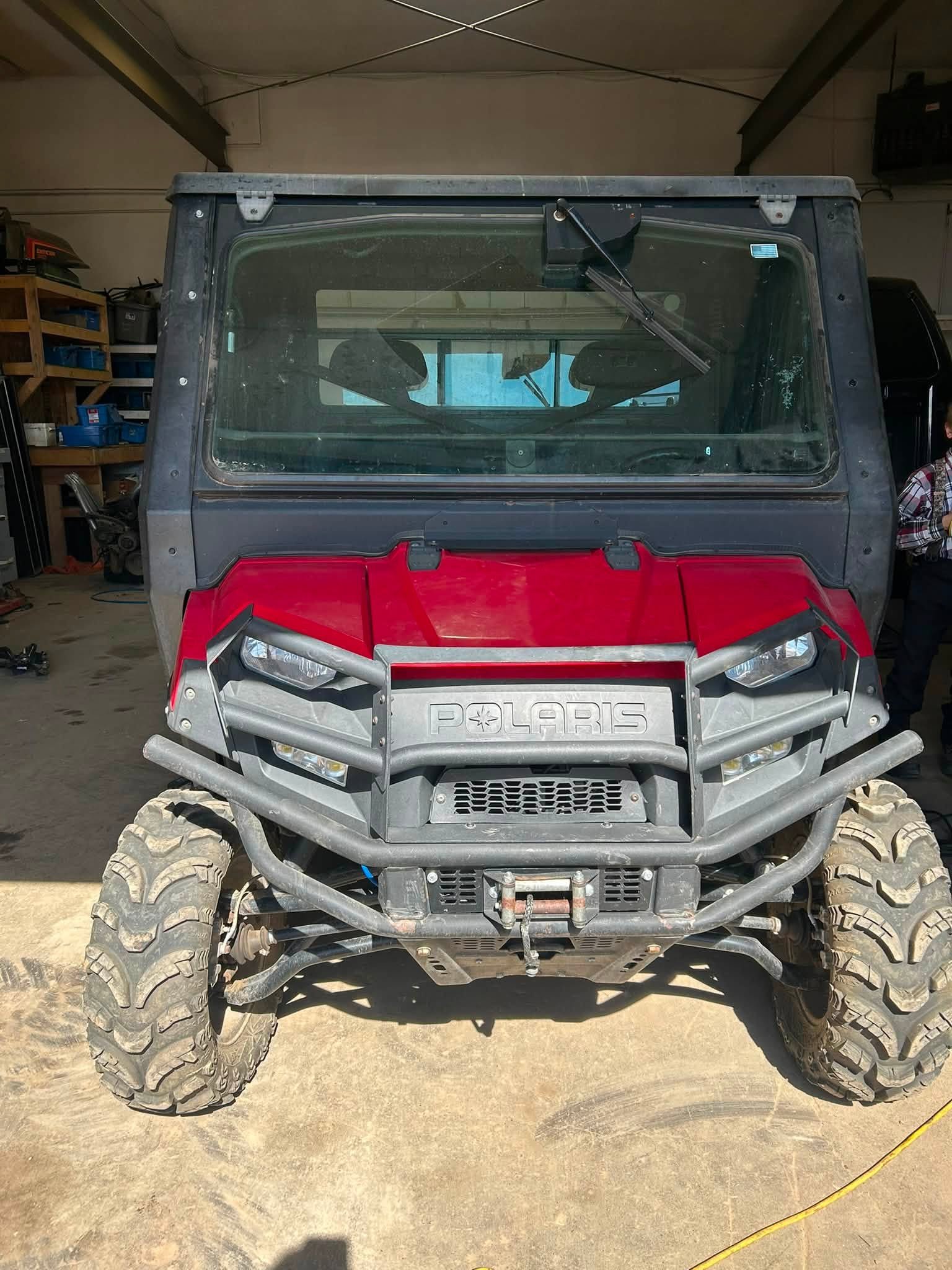
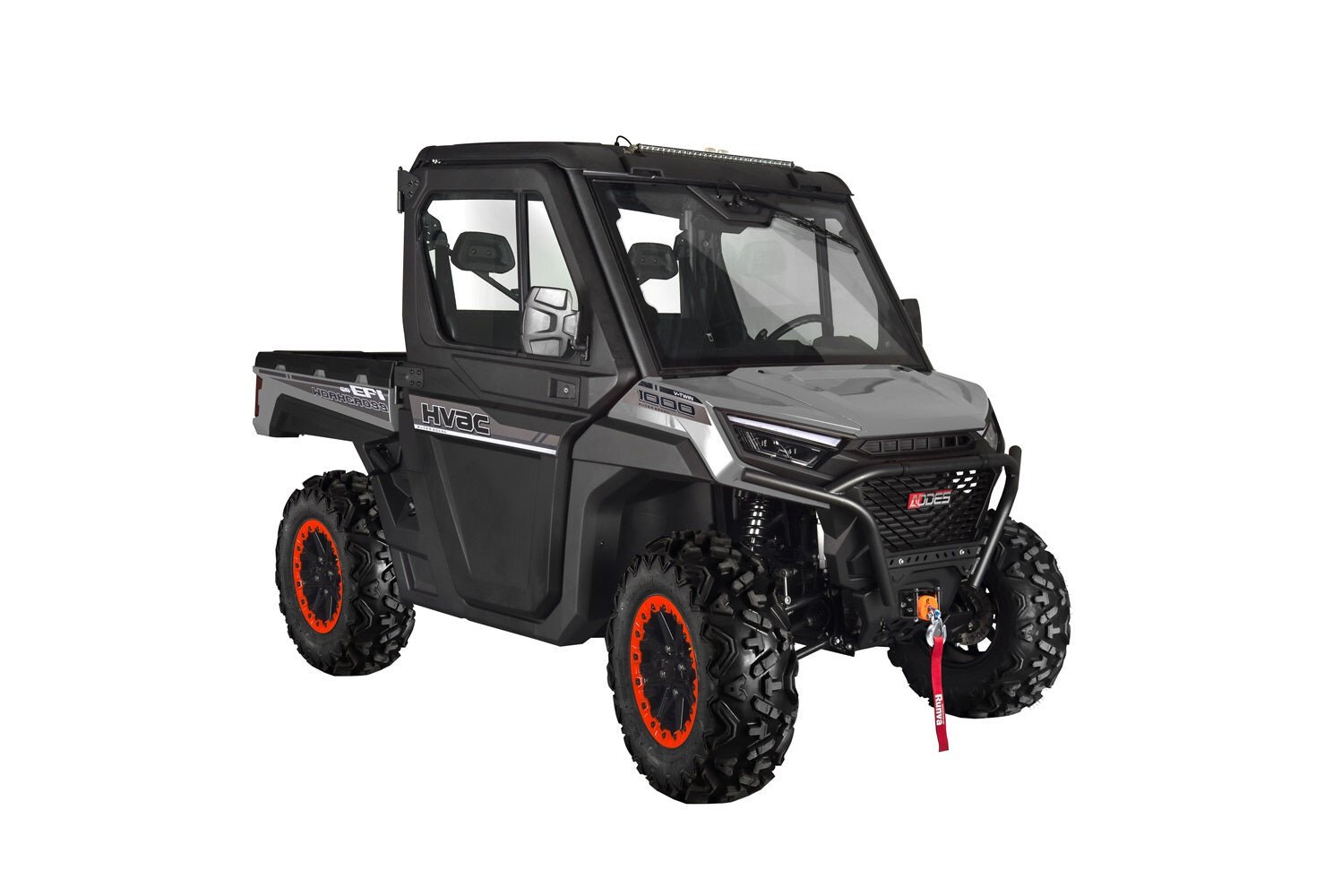
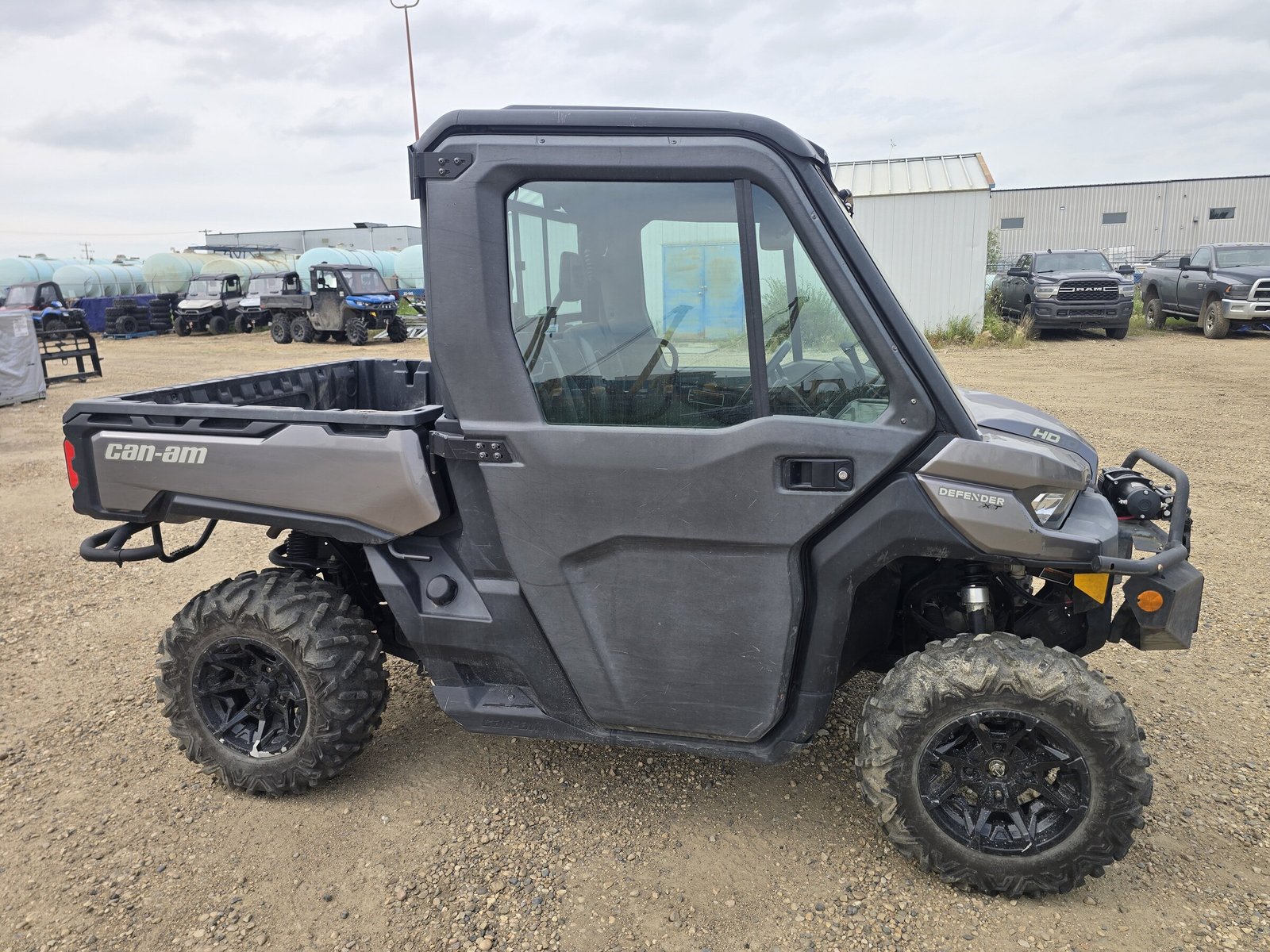
- Two seat side by side. Often 1,400 to 1,700 lb dry, and 2,200 lb loaded is easy to reach with two people and cargo. You want 4,500 lb.
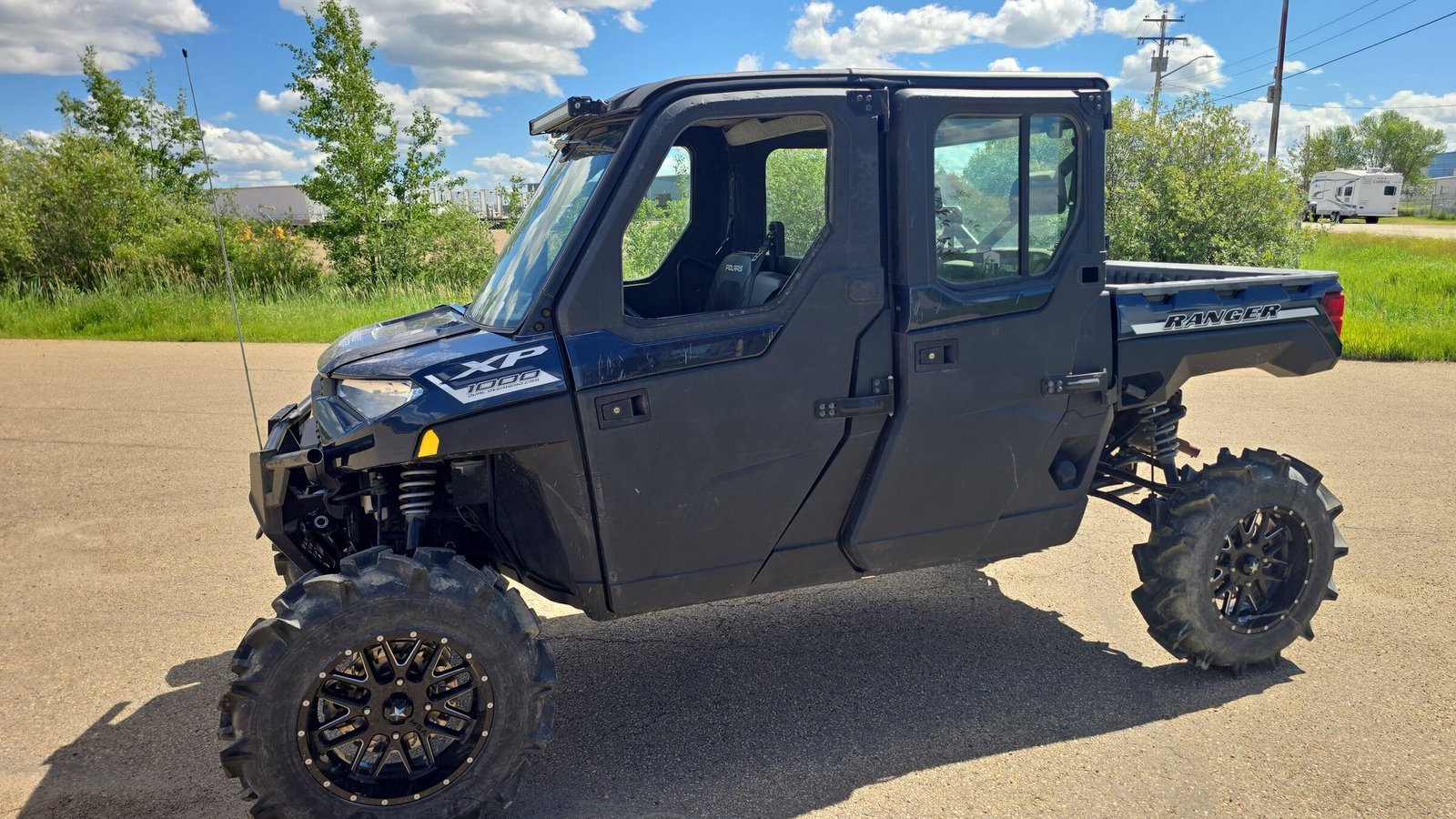
- Four or six seat side by side. These get heavy fast, well past 2,000 lb dry. A 5,000 to 6,000 lb winch is not overkill, it is appropriate.
Now the part the box does not tell you clearly. That rated pull is measured on the first wrap of rope around the drum. Every additional layer of rope that builds up on the drum reduces the effective pull, because the leverage changes. By the outer layer you can be down to roughly half the rated figure.
This is why sizing up is not wasted money. If you buy a 2,500 lb winch for a 1,000 lb loaded quad, you are theoretically fine on paper, but when you are pulling with most of the rope still spooled you may only have around 1,500 lb of real pull available. Add suction from deep mud, which can easily double the resistance, and you find out very quickly why people complain their winch "is not strong enough."
Buy one size up from what the calculation suggests. You will never regret it, and the price difference between a 3,500 and a 4,500 is usually less than a tank of premium.
Synthetic Rope or Steel Cable?
This is the question riders argue about most, and both sides have a real point.
Synthetic rope
Modern synthetic winch line is a braided high strength fibre that weighs a fraction of steel and, pound for pound, is stronger. The reason most serious riders have switched comes down to one thing: safety.
A steel cable under load stores an enormous amount of energy. When it snaps, it whips, and it does so with enough force to cause very serious injury. Synthetic rope under the same load stores comparatively little energy, so when it fails it tends to drop rather than lash out. If you winch regularly with other people around, that difference matters more than any other item in this guide.
Synthetic also does not kink, does not develop the sharp broken strands that shred bare hands, floats in water, and is light enough that you can pull the line out by hand without fighting it.
The downsides are real though. It abrades against rock and sharp edges, degrades over time with UV exposure, and needs to be spooled neatly under tension or it buries itself into the lower layers. And in a Canadian winter, wet synthetic rope can freeze into a solid block on the drum. That is not permanent damage, but it is deeply inconvenient at minus twenty.
Steel cable
Steel is cheaper, shrugs off abrasion, does not care about sunlight, and handles heat better if you are dragging something across rock all day. If you winch across gravel, ledges or logging slash on a regular basis, steel will outlast synthetic by a wide margin.
Against that: it is heavy, it rusts, it kinks permanently if you let it, and the broken strands will go straight through a cheap pair of gloves. And it is the option that will hurt somebody if it lets go.
The short answer
For most Canadian riders, synthetic rope is the better buy. Mud, snow and self recovery are the common use cases here, and those are exactly where synthetic shines. Choose steel if you are regularly winching over sharp rock, or if budget is the deciding factor.
One thing you cannot mix and match: the fairlead has to match the line. Synthetic needs a smooth aluminum hawse fairlead. Steel needs a roller fairlead. Running synthetic rope through an old roller fairlead will chew it apart in a season.
The Parts of the Winch Nobody Compares
Motor type. Most ATV winches use either a permanent magnet or a series wound motor. Permanent magnet motors are lighter, cheaper and draw less current, but they build heat quickly and need longer cool down periods. Series wound motors handle sustained pulls better and are what you want if you expect to winch repeatedly in one outing. For occasional self recovery, permanent magnet is fine.
Gear train. Planetary gearing is standard on almost everything in this category. It is fast, efficient and compact. Worm gear winches are slower but hold their load mechanically without relying on a brake, which some people prefer for plowing. Planetary is the right default.
Sealing. This one deserves more attention than it gets in Canada. Look for a stated IP rating, and prefer a sealed contactor and a sealed motor housing. Water crossings, pressure washing, road salt in the winter and deep wet snow all find their way into a poorly sealed winch. A winch that has quietly corroded internally will fail on the exact day you need it, which is the only day it matters.
Duty cycle. These are intermittent duty devices, not continuous ones. Pull for thirty seconds to a minute, then let it rest. Riders who burn out winch motors are almost always the ones who held the button down for four minutes straight while the machine did not move.
Mounting and Wiring
Almost every winch needs a mounting plate specific to your make, model and year. Buy that at the same time as the winch, because chasing one down afterward is a frustrating way to lose a weekend.
The electrical side matters more than people expect. A 3,500 lb winch under heavy load can draw well over 200 amps, which is far more than a typical ATV charging system produces. Two consequences follow:
- Always run the engine while winching. Winching on battery alone will flatten it in minutes, and then you are stuck with no winch and no start.
- If you winch often, your battery is a wear item. A tired battery that still starts the machine fine may not deliver the current a winch needs. Worth testing before a big trip.
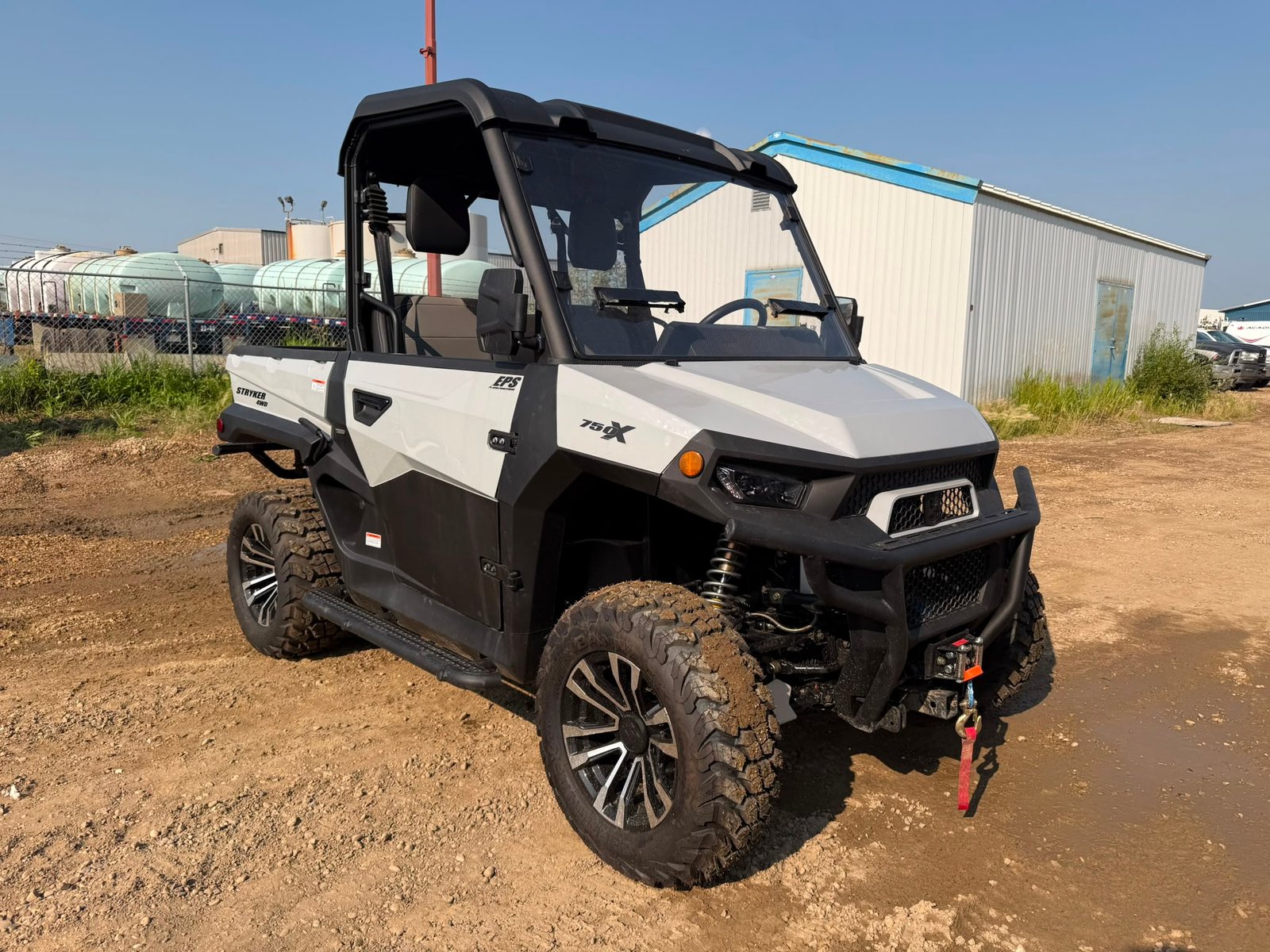
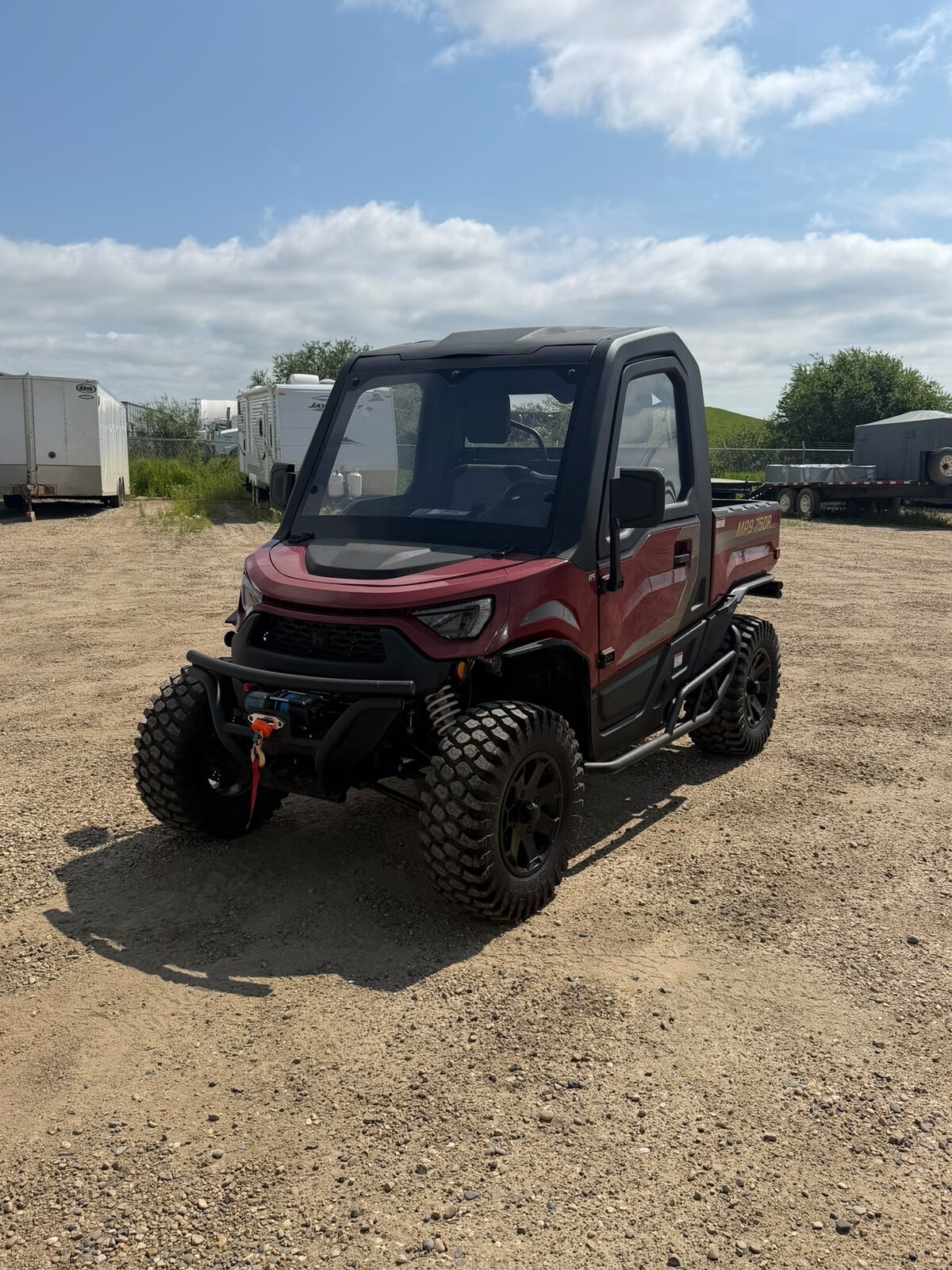
Use the supplied heavy gauge cables, do not lengthen them with thinner wire, and mount the contactor somewhere it will not sit in standing water. For the control, a handlebar rocker switch is reliable and always available. A wireless remote lets you stand clear of the line and see what the machine is doing, which is both safer and more useful in practice. Many riders fit both.
The Accessories That Are Not Optional
A winch on its own only solves half the problem. Budget for these at the same time.
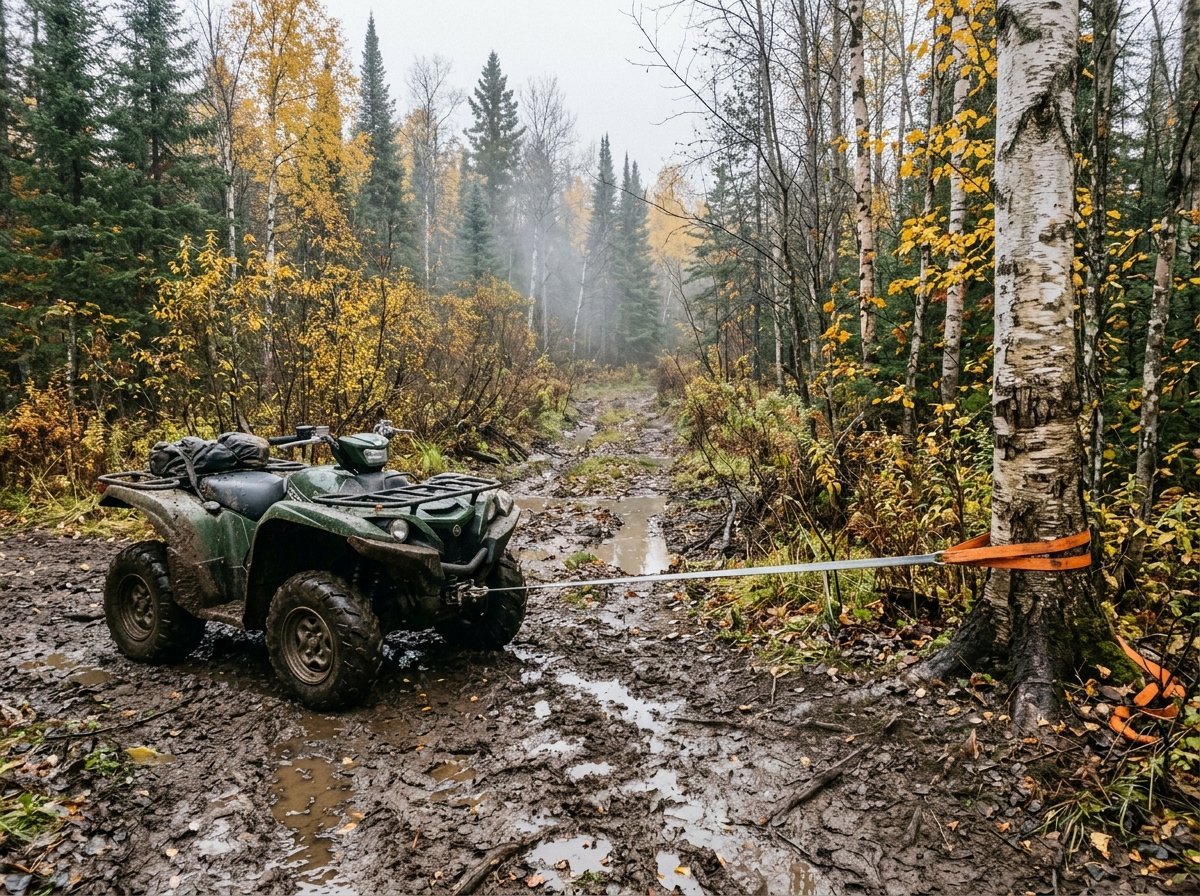
- Tree saver strap. A wide flat strap that goes around your anchor point. Never wrap the winch line directly around a tree. It kills the tree, damages your line, and on club or crown land it is the fastest way to get a trail closed to riders.
- Snatch block. A pulley that redirects your line. Run the line through it and back to your machine and you roughly double your pulling power, at the cost of halving the speed. The single most useful recovery item after the winch itself.
- Line damper. A weighted blanket or even a heavy coat draped over the middle of the loaded line. If the line fails, the damper drags the energy down instead of letting it whip. Costs almost nothing and is genuinely a safety item.
- Proper gloves. Leather, not the thin summer riding pair. Non negotiable with steel cable and still a good idea with synthetic.
- A second anchor option. A ground anchor or a length of chain for situations with no tree in reach. Prairie and open muskeg riders know exactly why this is on the list.
Using It Without Getting Hurt
A winch is the most dangerous piece of equipment most riders will ever bolt to a machine, and it deserves respect.
Never stand in line with a loaded cable, and never let a bystander do it either. Never step over a line under tension. Never use a winch to lift or suspend anything, because it is not designed or rated for it. Keep pulls as straight as you can, since a sharp side angle piles rope onto one end of the drum and can damage the winch. And if the machine is not moving after a few seconds of full load, stop and change something. Dig, use a snatch block, find a better anchor. Holding the button down harder does not work, it just cooks the motor.
What to Budget
Prices in Canada move around, but the rough shape of the market is consistent:
- Entry level, 2,500 to 3,500 lb. Around 200 to 400 dollars. Fine for occasional self recovery on a light machine. Expect a basic motor and modest sealing.
- Mid range, 3,500 to 4,500 lb. Roughly 400 to 700 dollars. Better sealing, better warranty, often synthetic rope included. This is where most riders should be shopping.
- Premium, 4,500 lb and up. 700 dollars and beyond. Series wound motors, serious weather sealing, wireless controls, proper support if something fails.
- Add for the mount plate, typically 50 to 120 dollars, and for recovery accessories, another 100 to 200 dollars for a decent kit.
A sensible complete setup for a utility ATV lands somewhere around 600 to 900 dollars installed. For a side by side, budget closer to 900 to 1,400.
The off season is the right time to do this. Prices soften after riding season winds down, you are not losing a good weekend to an install, and you start spring with the machine already sorted. Have a look at ATV and UTV parts and accessories while you have the time to plan it properly.
Buying a Used Machine That Already Has One
A winch already fitted is a genuine plus on a used listing, but check it rather than assuming.
Ask the seller to run it out and back in while you watch. Listen for a motor that sounds strained or grinding. Look at the rope or cable along its whole length for fraying, kinks or flat spots. Check that the fairlead matches the line type, because a mismatch tells you the previous owner was guessing. Inspect the contactor and the terminals for corrosion, and look at how the wiring was run. Tidy wiring with proper terminals suggests a careful owner. A bundle of electrical tape and butt connectors suggests the opposite, and that impression usually holds true for the rest of the machine.
That is the same principle behind our complete pre-purchase checklist, which covers the rest of what to look at before money changes hands. If you cannot assess it yourself, a pre-buy inspection catches the things that photos never show.
The Bottom Line
Size it at one and a half times your loaded weight, then go up a size because the rating drops as the drum fills. Choose synthetic rope unless you are constantly dragging across rock. Pay attention to sealing, because Canadian conditions are what kill winches. Budget for the strap, the snatch block and the damper at the same time, since a winch without recovery gear is only half a solution.
Do that and you have bought yourself the freedom to ride into places you would otherwise talk yourself out of. Which is, after all, the entire point.
Planning where to put it to use? The MudWheelz Trail Finder lists riding areas across Canada by province and difficulty. Shopping for the machine first? Browse used ATVs and side by sides or list your current one free.
Related Reading
- Utility vs. Sport UTVs in 2026: Which One Actually Fits Your Riding Style?
- Buying a Used ATV or Side-by-Side in Canada: The Complete Pre-Purchase Checklist
- Canada's Powersports Numbers Just Landed: What They Mean for Used Buyers
Pull ratings, mounting requirements and wiring specifications vary by manufacturer and by machine. Always follow the instructions supplied with your winch and your owner's manual.