Riding Canadian Trails in Hunting Season: What Every Off-Roader Should Know This Fall
Excerpt: October and November give you the best riding conditions of the year — firm ground, no bugs, and colour through the whole canopy. They are also the weeks when the bush fills up with hunters, and when a lot of trail systems quietly close without most riders noticing. Here's how to plan a fall ride that doesn't end in a wasted drive or a dangerous misunderstanding.
The Best Riding of the Year Happens in the Busiest Woods
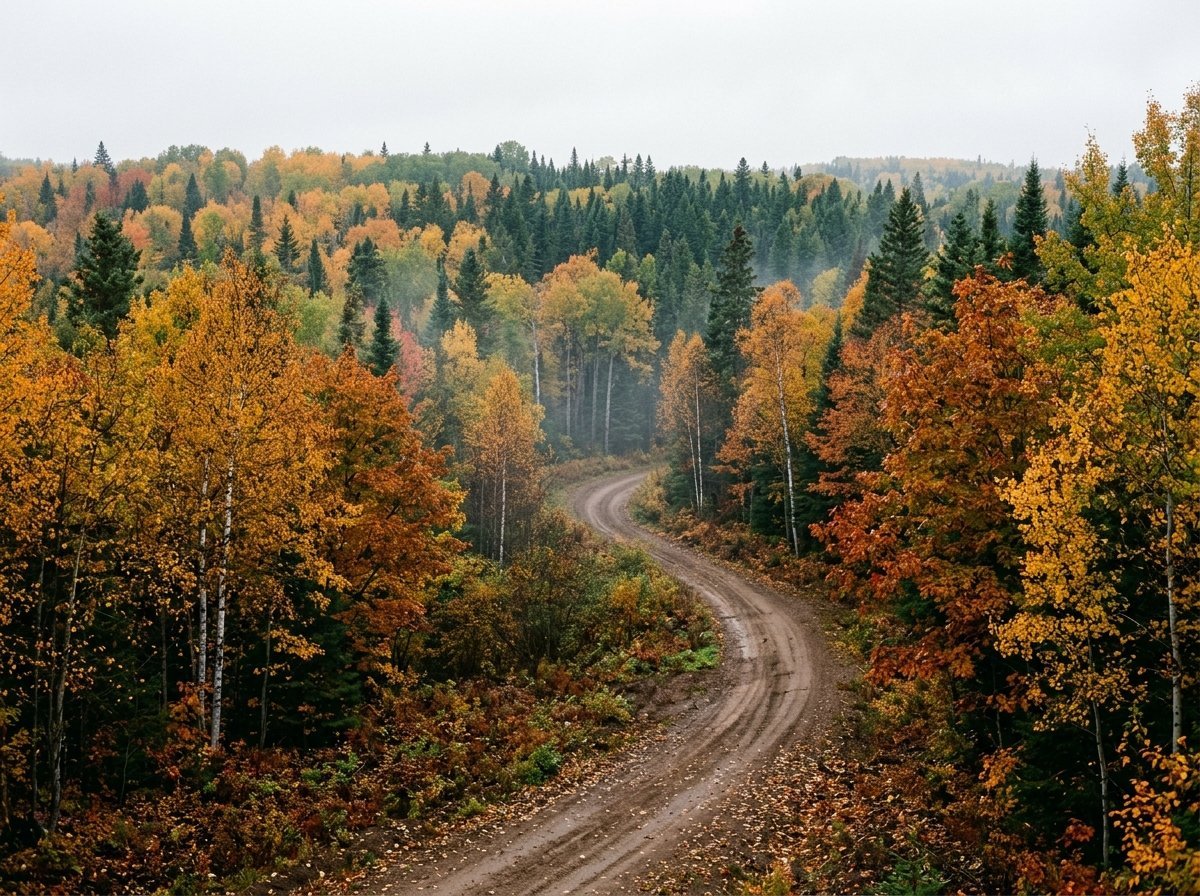
Ask any experienced Canadian rider when the trails are at their best and most will say the same thing: the six weeks after Labour Day. Summer dust has settled, the mud holes have firmed up, the deer flies are gone, and the bush turns colours that make even a familiar loop feel new. Daytime temperatures sit in that perfect range where you can ride hard in a jacket and never overheat.
The problem is that everyone else has worked this out too — including the people carrying rifles. Fall is peak season for moose, deer, and bear hunting across most of the country, and the same crown land, logging roads, and club trail networks that riders use are exactly where hunting happens. Two groups, same woods, very different activities, and almost no coordination between them unless riders go looking for it.
This isn't a reason to stay home. It's a reason to plan differently than you would in July.
The Overlap Nobody Plans For
Hunting seasons in Canada are set by province and then subdivided again by wildlife management unit — so the dates that apply an hour north of you may be completely different from the dates where you live. In Ontario alone, moose and deer season dates shift depending on which WMU you're standing in. Quebec, the Maritimes, and the western provinces all run their own calendars.
The practical upshot: there is no single date to memorise. A rider who checks "hunting season in Canada" and gets one answer is going to be wrong somewhere. What you actually need is the season dates for the specific unit your trail sits in, which is published by your provincial natural resources ministry every year.
Broadly, the window that matters most runs from early October through late November, with gun seasons for moose and deer being the periods of highest activity. Those are the weeks worth planning around.
Some Trails Simply Close — and You Won't Find Out at the Trailhead
This catches people out every single year. A number of ATV clubs close their trail systems outright during peak hunting weeks, both for rider safety and out of a long-standing agreement with the hunters and landowners who share that ground. Algonquin West ATV Club, for example, has historically closed during moose and deer seasons — and they are not unusual in doing so.
These closures are posted on club websites and social media pages. They are frequently not posted on a sign at the trailhead. If you load the machine, drive three hours, and arrive on the Saturday of opening weekend, you may well find a chain across the entrance and nothing to do but turn around.
The fix takes two minutes: check the club's page the night before you leave, every time, from the beginning of October onward. If the club has a Facebook page, that's usually where closures get announced first.
What to Wear, and How to Ride
If you are riding during an open gun season, visibility stops being a style question.
- Wear fluorescent orange. A vest over your riding gear costs about twenty dollars and does more for your safety than any other single thing on this list. Orange on the machine helps too — a flag or a strip of tape on the rack or roll cage.
- Skip dawn and dusk. These are the highest-activity hours for hunters and the lowest-visibility hours for everyone. Ride the middle of the day.
- Don't run silent. This is the one time of year when engine noise is a safety feature. A quiet machine appearing suddenly through cover is exactly the wrong thing to be.
- Stay on the marked trail. Cutting through bush in hunting season is asking to end up somewhere a hunter has no reason to expect a person to be.
- Keep dogs on the machine or at home. A loose dog in the bush during deer season is a genuinely bad idea.
- Make your presence obvious when you meet someone. Slow down, give a wave, keep it friendly. Most conflicts between the two groups come from surprise, not hostility.
Riders and Hunters Are Paying for the Same Trails
It's worth understanding how much overlap there actually is between these two groups, because the online version of this conversation is usually more hostile than the real-world one.
A lot of hunters ride. Many buy ATV club trail permits precisely so they can legally access their hunting grounds, which means hunter money is helping maintain the same bridges, culverts, and signage that recreational riders use all summer. Clubs know this, which is why the closures exist in the first place — they're protecting a relationship, not picking a side.
The riders who cause problems are almost always the ones who didn't know the season was on. Once you know, the etiquette is obvious and costs you nothing.
The Other Reason Fall Trails Close: Freeze and Thaw
Hunting isn't the only thing that shuts trails down in late autumn. As nights drop below freezing and days climb back above it, the ground goes through a daily freeze-thaw cycle that turns firm trail into something that rips apart under a loaded machine.
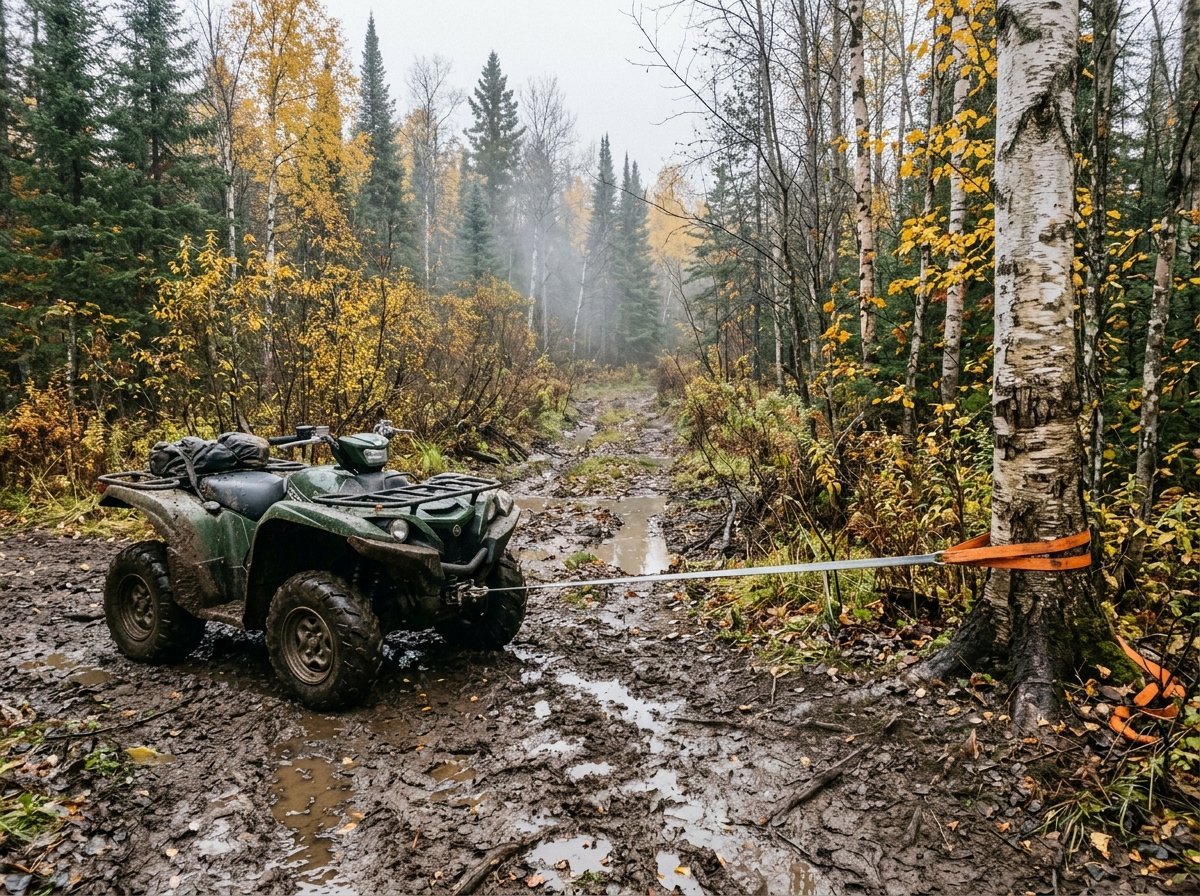
A single side-by-side running a soft trail during thaw can cut ruts that take a club a full work weekend to repair next spring — and volunteer labour is the scarcest resource any trail club has. This is why you'll see "trails closed due to conditions" notices in November that have nothing to do with hunting.
Rule of thumb: if you're sinking in and leaving a rut deeper than your tread, you're doing damage, and the right move is to turn around. The trail will still be there when it firms up.
Where to Check Before You Go
Four things to confirm, in this order:
- Your provincial hunting regulations summary — published annually by the natural resources ministry, and the only reliable source for season dates in your specific wildlife management unit.
- The trail club's own website or Facebook page — for closures, conditions, and permit status. This is the single most useful check and the one most riders skip.
- Your trail permit — still valid, still required. Riding a club system without one during a season when clubs are already managing tension between user groups is a bad look for everyone.
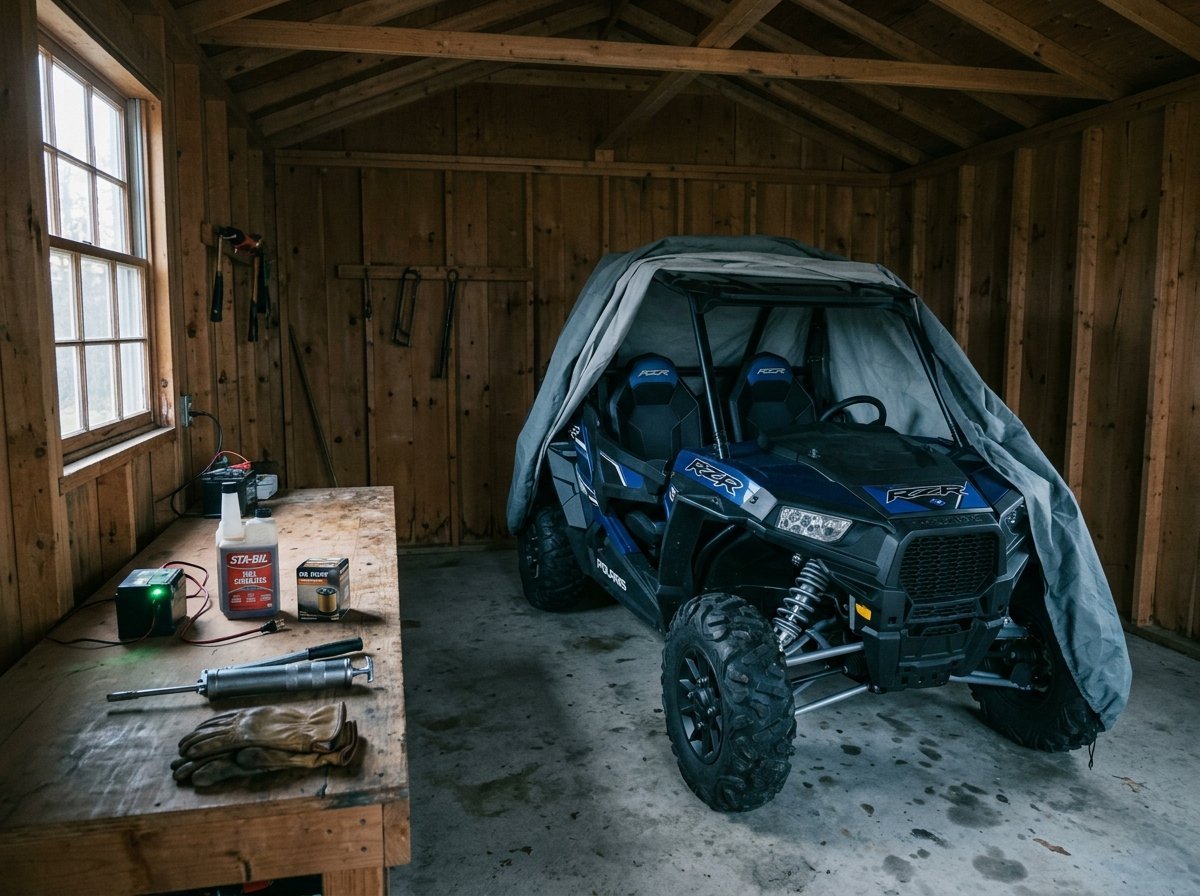
- Your insurance — worth a look before the last rides of the season, particularly if your machine is about to sit in storage for five months. Confirm what your off-road coverage actually includes for theft and storage, because that's when a lot of machines go missing.
Rules also change the moment you cross a provincial line — registration, helmet law, insurance requirements, where you're allowed to ride at all. If your fall trip involves a border, our guide to what changes between provinces covers the details worth sorting out before you're loaded up and driving.
Planning the Ride
If you're looking for somewhere new to run this fall, the MudWheelz Trail Finder lists riding areas across Canada by province and difficulty, with the details you need to judge whether a trail suits your machine before you commit to the drive. It's free and it's built by riders.
Know a system that isn't listed? Add it — the directory is only as good as what the community puts into it, and a trail with a decent photo and honest notes is worth more to the next rider than any glossy tourism page.
The Short Version
Fall riding is the best riding of the year. Take it, but take it with the season in mind: check your club's page before you drive, wear orange if a gun season is open, ride the middle of the day, stay on the trail, and back off when the ground is soft. None of it costs you anything except two minutes of planning, and all of it keeps the trails open and the relationships intact for next year.
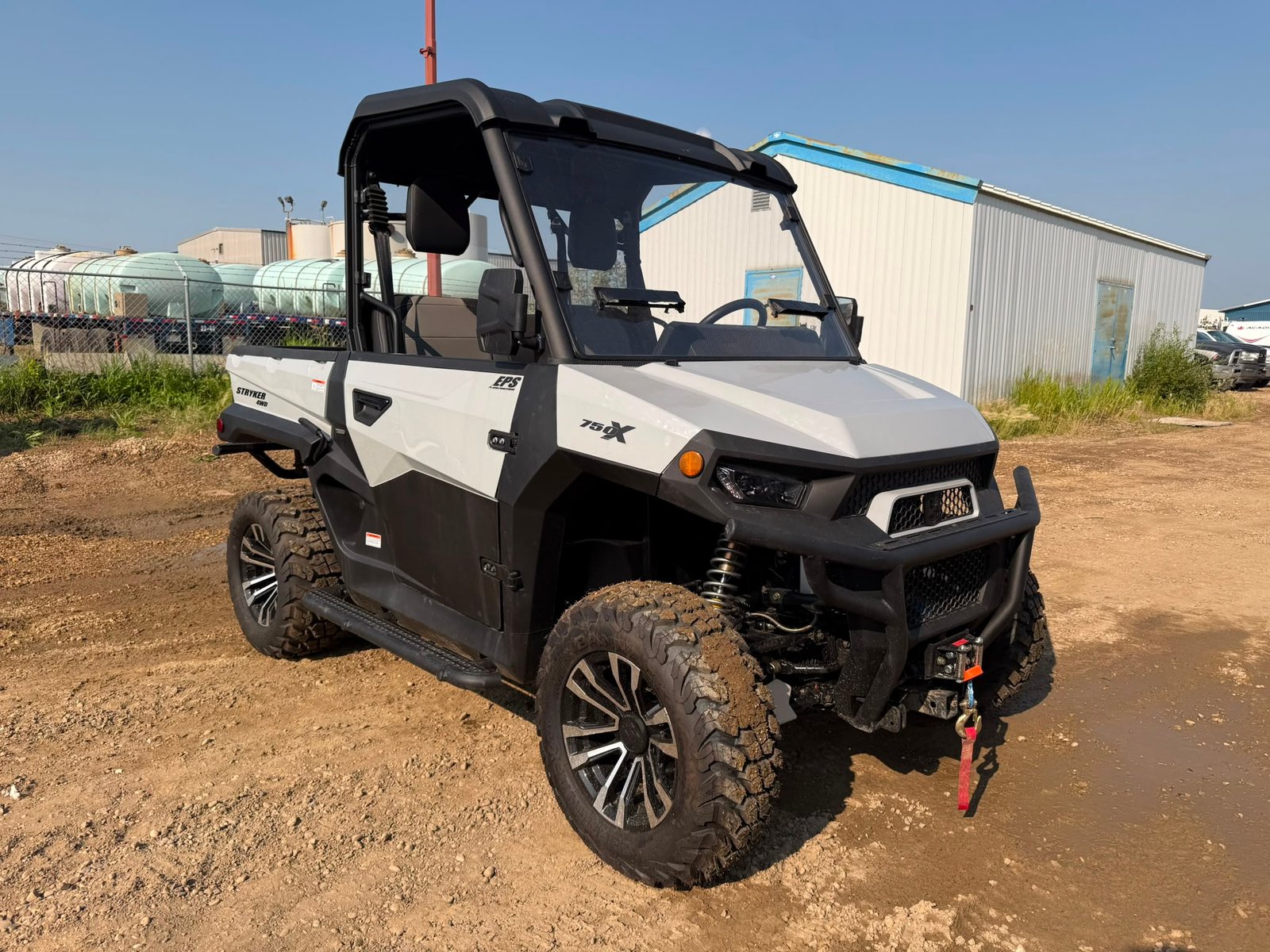
Thinking about a machine before the season ends? Used ATVs and side-by-sides across Canada are worth a look right now — fall is when sellers get motivated. Our pre-purchase checklist covers what to inspect before you hand over money.
Related Reading
- ATV and Snowmobile Rules Change the Moment You Cross a Provincial Border
- Buying a Used ATV or Side-by-Side in Canada: The Complete Pre-Purchase Checklist
- Utility vs. Sport UTVs in 2026: Which One Actually Fits Your Riding Style?
Season dates and trail closures vary by province and by wildlife management unit and change from year to year. Always confirm with your provincial natural resources ministry and your local trail club before you ride.